
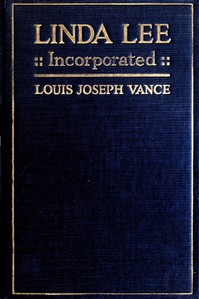
Linda Lee, Incorporated: A Novel
Written by Louis Joseph Vance
Chaptra reads alongside you — AI insights, chapter breakdowns and reader discussions for every book. Join free
About this book
Reading guide
Themes, characters and key ideas in Linda Lee, Incorporated: A Novel, written by Chaptra AI.
- about 8 hours
- intermediate
- romantic
- dramatic
- introspective
Louis Joseph Vance's "Linda Lee, Incorporated" delves into the intricate emotional landscape of Lucinda Druce, a woman caught between the constraints of her marriage to Bellamy Druce and the resurfacing affections for a past love, Richard Daubeney. Set against the backdrop of 1920s society, the novel meticulously explores themes of marital discord, potential infidelity, and the rigid societal expectations placed upon women. Through candid dialogue and a vibrant cast, the narrative charts Lucinda's internal struggle for agency and happiness amidst her complex personal relationships. The book opens with Lucinda's frank discussions with her friend Dobbin, immediately establishing the emotional stakes and foreshadowing the deeper conflicts to come.
“"One can be steadfast in love, Dobbin, and still feel the weight of a life not entirely chosen."”
Key themes
- Love and Infidelity
- This theme explores the various manifestations of love—marital duty, passionate longing, and unrequited affection—and the moral and emotional complexities surrounding infidelity. The novel delves into the reasons why individuals might seek emotional or physical intimacy outside of their committed relationships, focusing on the psychological toll and societal repercussions.
- Societal Norms and Expectations
- The novel critically examines the rigid social conventions and expectations of marriage and womanhood in the 1920s. It highlights how these norms can constrain individual happiness and identity, particularly for women who are expected to uphold appearances and fulfill prescribed roles, even at the cost of personal fulfillment.
- Identity and Self-Fulfillment
- This theme explores Lucinda's journey of self-discovery and her quest for an authentic identity beyond her roles as a wife or a societal figure. It delves into the struggle to reconcile one's inner desires with external pressures, and the pursuit of a life that aligns with one's true self.
Worth discussing
How does the societal context of the 1920s influence Lucinda's choices and perceived limitations?
Chapter-by-chapter breakdowns, character arcs and the full thematic analysis come with a free account.
Discussions
No one has started one yet
Questions this book opens up
No discussions yet
Be the first to start a discussion about this book!
Sign up to start the discussionReviews
No reviews yet
Be the first to review this book!