
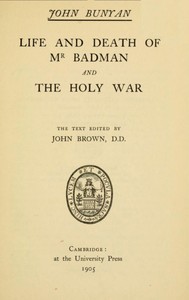
Life and Death of Mr. Badman
Written by John Bunyan
Chaptra reads alongside you — AI insights, chapter breakdowns and reader discussions for every book. Join free
About this book
Reading guide
Themes, characters and key ideas in Life and Death of Mr. Badman, written by Chaptra AI.
- about 8 hours
- intermediate
- didactic
- somber
- cautionary
John Bunyan's "Life and Death of Mr. Badman" is a stark didactic allegory presented as a dialogue between Mr. Wiseman and Mr. Attentive, serving as a cautionary counterpoint to "The Pilgrim's Progress." The narrative meticulously chronicles the life of Mr. Badman, from his earliest childhood transgressions to his unrepentant death, illustrating the progressive nature and ultimate consequences of a life dedicated to sin and ungodliness. Through detailed anecdotes and moral commentary, the book explores the various forms of moral failure, including lying, stealing, hypocrisy, and spiritual neglect, against the backdrop of Puritan theology. It ultimately functions as a severe warning, emphasizing the dire eternal fate awaiting those who refuse repentance and persist in wickedness, making it a profound meditation on sin, judgment, and the fragility of the human soul.
“I have been to see my neighbour Badman, and I perceive that he is dead.”
Key themes
- The Nature and Progression of Sin
- This is the central theme, meticulously explored through Mr. Badman's life. Bunyan illustrates how sin is not merely a collection of isolated acts but a progressive corruption that begins in childhood and, if unchecked, hardens the heart and leads to complete moral decay. The book details various forms of sin, from lying and stealing to fraud and blasphemy, showing their interconnectedness and cumulative effect.
- Divine Justice and Retribution
- Bunyan strongly emphasizes that God is just and that wickedness will not go unpunished. Badman experiences various temporal misfortunes (illness, financial troubles, unhappy marriage) which Mr. Wiseman interprets as divine judgments, serving as warnings. Ultimately, the book points to the eternal retribution awaiting the unrepentant sinner.
- The Importance of Repentance and Conversion
- While Badman never genuinely repents, his story implicitly highlights the critical importance of true repentance and spiritual conversion. His numerous opportunities for change, often prompted by suffering or warnings, are squandered due to his hardened heart. The book contrasts his false remorse with the genuine, transformative repentance that Bunyan's theology advocates, emphasizing that without it, eternal damnation is certain.
Worth discussing
How does Bunyan's portrayal of Mr. Badman's peaceful death serve as a more potent warning than a dramatic, suffering end?
Chapter-by-chapter breakdowns, character arcs and the full thematic analysis come with a free account.
Discussions
No one has started one yet
Questions this book opens up
No discussions yet
Be the first to start a discussion about this book!
Sign up to start the discussionReviews
No reviews yet
Be the first to review this book!