
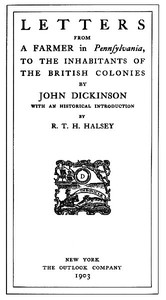
Letters from a Farmer in Pennsylvania, to the Inhabitants of the British Colonies
Written by John Dickinson
Chaptra reads alongside you — AI insights, chapter breakdowns and reader discussions for every book. Join free
About this book
Reading guide
Themes, characters and key ideas in Letters from a Farmer in Pennsylvania, to the Inhabitants of the British Colonies, written by Chaptra AI.
- about 8 hours
- advanced
- serious
- didactic
- persuasive
John Dickinson's "Letters from a Farmer in Pennsylvania" is a seminal collection of essays from the late 18th century, articulating a nuanced defense of American colonial rights against British parliamentary overreach. Writing under the persona of a well-educated Pennsylvania farmer, Dickinson systematically argues against the legality of the Townshend Acts and the suspension of the New York Assembly, contending that these actions violate fundamental British constitutional principles and colonial liberties. He distinguishes between Parliament's right to regulate trade and its lack of authority to levy internal taxes for revenue without colonial consent. The letters serve as an urgent call for colonial unity and a firm, yet prudent, collective response through petitions and economic measures to safeguard their shared freedoms.
“For who are a free people? Not those over whom government is reasonable and equitably exercised, but those who live under a government so constitutionally checked and controlled, that proper provision is made against its being otherwise exercised.”
Key themes
- Colonial Rights and Liberties
- This is the overarching theme. Dickinson argues that American colonists possess the same fundamental rights as British subjects in England, including the right to be taxed only by their elected representatives and to have their legislative assemblies free from external interference. He asserts these rights are inherent and guaranteed by the British constitution, not privileges granted by Parliament. He views parliamentary actions like the suspension of the New York Assembly and the imposition of revenue taxes as direct assaults on these sacred liberties.
- Taxation Without Representation
- A central pillar of Dickinson's argument, he meticulously distinguishes between Parliament's legitimate authority to regulate imperial trade (which he concedes includes imposing duties for that purpose) and its illegitimate attempt to levy taxes solely to raise revenue from the colonies without their consent. He contends that such revenue taxes, like those in the Townshend Acts, are an unconstitutional usurpation of colonial assemblies' exclusive right to tax their constituents, thus denying proper representation.
- Unity and Collective Action
- Dickinson repeatedly stresses the critical need for the colonies to unite in a firm, yet respectful, remonstrance against parliamentary overreach. He argues that a fragmented response would allow Parliament to isolate and subjugate colonies one by one, thereby eroding the liberties of all. He advocates for collective petitions, non-importation agreements, and a unified front from colonial assemblies as the most effective means to defend their common rights.
Worth discussing
How does Dickinson's 'Farmer' persona enhance or detract from his arguments? What impact does it have on the reader?
Chapter-by-chapter breakdowns, character arcs and the full thematic analysis come with a free account.
Discussions
No one has started one yet
Questions this book opens up
No discussions yet
Be the first to start a discussion about this book!
Sign up to start the discussionReviews
No reviews yet
Be the first to review this book!