
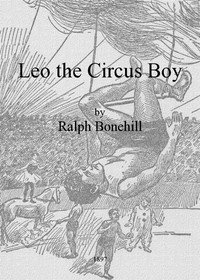
Leo the Circus Boy; or, Life under the great white canvas
Written by Edward Stratemeyer
Chaptra reads alongside you — AI insights, chapter breakdowns and reader discussions for every book. Join free
About this book
Reading guide
Themes, characters and key ideas in Leo the Circus Boy; or, Life under the great white canvas, written by Chaptra AI.
- about 8 hours
- intermediate
- adventurous
- uplifting
- escapist
Edward Stratemeyer's "Leo the Circus Boy" is a late 19th-century children's novel chronicling the adventurous journey of Leo Dunbar, a talented and daring young gymnast. Escaping a life of harsh servitude under the miserly Daniel Hawkins, Leo finds his true calling and a sense of belonging within the vibrant, dangerous, yet liberating world of the circus. His initial act of bravery, capturing an escaped lion, propels him into this new life, where he strives to establish himself as a performer. The narrative explores themes of freedom, self-discovery, and the formation of a 'found family' against the backdrop of thrilling circus life, while confronting the shadows of his past.
“The call of the open road was stronger than any chains of duty, especially when duty felt like a cage.”
Key themes
- Freedom vs. Confinement
- This theme is central to Leo's journey, contrasting his confined and abusive life on Daniel Hawkins' farm with the liberating and adventurous existence in the circus. The circus, despite its transient nature and dangers, represents ultimate freedom from conventional societal constraints and personal oppression.
- Self-Discovery and Identity
- Leo's journey is fundamentally about discovering his true talents, capabilities, and ultimately, his identity. He finds his place and purpose not in the life dictated by others, but through his innate abilities and the opportunities presented by the circus.
- Found Family and Belonging
- Having lost his parents and endured a cruel 'family' on the farm, Leo finds a new, accepting, and supportive family among the diverse community of circus performers. This theme highlights the idea that family is not always defined by blood, but by shared experiences, mutual support, and love.
Worth discussing
How does Leo's escape from the farm symbolize a larger quest for freedom and self-determination?
Chapter-by-chapter breakdowns, character arcs and the full thematic analysis come with a free account.
Discussions
No one has started one yet
Questions this book opens up
No discussions yet
Be the first to start a discussion about this book!
Sign up to start the discussionReviews
No reviews yet
Be the first to review this book!