
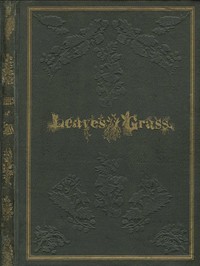
Leaves of Grass
Written by Walt Whitman
Chaptra reads alongside you — AI insights, chapter breakdowns and reader discussions for every book. Join free
About this book
Reading guide
Themes, characters and key ideas in Leaves of Grass, written by Chaptra AI.
- about 20 hours
- advanced
- expansive
- celebratory
- contemplative
Walt Whitman's "Leaves of Grass" is a seminal collection of poems that revolutionized American poetry through its embrace of free verse and its expansive, democratic vision. First published in 1855, and continuously revised and expanded throughout Whitman's life, the work is an epic celebration of the self, the nation, nature, and the human experience in all its multifaceted glory. It boldly explores themes of democracy, individualism, sexuality, death, and the interconnectedness of all life, challenging conventional poetic forms and societal norms. The collection serves as a spiritual autobiography and a collective song for humanity, establishing Whitman as a unique voice in world literature.
“I celebrate myself, and sing myself, And what I assume you shall assume, For every atom belonging to me as good belongs to you.”
Key themes
- Democracy and Individualism
- Whitman's poetry is a profound celebration of American democracy, asserting the inherent worth and divinity of every individual, regardless of social status, race, or gender. He democratizes poetry itself, bringing it to the common person and validating their experiences as worthy subjects. This theme is intertwined with a powerful sense of individualism, where the 'I' is both unique and representative of the collective.
- The Body and Sensuality
- Whitman radically embraces and celebrates the human body and all its functions, including sexuality, as sacred and divine. He challenges the puritanical views of his era, asserting that the physical is not separate from the spiritual but an integral part of it. This theme highlights the beauty and interconnectedness of all physical existence.
- Nature and the Cosmos
- Nature is a pervasive and central element in 'Leaves of Grass,' serving as a source of spiritual wisdom, a metaphor for life's cycles, and a manifestation of the divine. Whitman sees a profound interconnectedness between humanity, nature, and the cosmos, finding lessons in everything from a blade of grass to the vastness of the stars. Nature offers solace, revelation, and a sense of belonging.
Worth discussing
How does Whitman's use of free verse contribute to the themes of democracy and individualism in 'Leaves of Grass'?
Chapter-by-chapter breakdowns, character arcs and the full thematic analysis come with a free account.
Discussions
No one has started one yet
Questions this book opens up
No discussions yet
Be the first to start a discussion about this book!
Sign up to start the discussionReviews
No reviews yet
Be the first to review this book!