
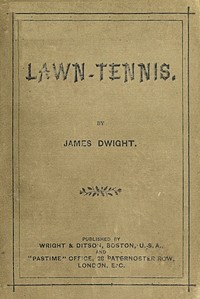
Lawn-tennis
Written by James Dwight
Chaptra reads alongside you — AI insights, chapter breakdowns and reader discussions for every book. Join free
About this book
Reading guide
Themes, characters and key ideas in Lawn-tennis, written by Chaptra AI.
- about 8 hours
- intermediate
- instructional
- disciplined
- practical
James Dwight's "Lawn-tennis" is a pivotal late 19th-century instructional manual, meticulously crafted for beginners and aspiring players of the burgeoning sport. Drawing on Dwight's own extensive experience and observations of contemporaries like Champion William Renshaw, the book lays a robust foundation for understanding tennis as a disciplined pursuit. It emphasizes the critical importance of good practices, fundamental techniques, and strategic court positioning. Through detailed guidance on strokes, service, and volleys, Dwight aims to equip readers with the core skills and strategic mindset necessary to effectively learn and excel in lawn tennis, establishing a lasting legacy for the sport's development.
“"The foundation of good play is laid not in brilliance, but in unceasing practice of the fundamental strokes."”
Key themes
- Mastery Through Practice and Discipline
- This theme is central to Dwight's philosophy, emphasizing that excellence in tennis is not an accident but the direct result of consistent, deliberate practice and a disciplined approach to learning. He stresses the importance of repetitive drills and developing muscle memory.
- The Importance of Foundational Technique
- Dwight rigorously advocates for mastering the basic techniques before attempting advanced play. He believes that a strong foundation in grips, stance, and fundamental strokes is indispensable for developing a consistent and effective game, preventing the adoption of inefficient habits.
- Learning Through Observation and Analysis
- The book highlights the value of observing skilled players, particularly the Champion, William Renshaw, not just for inspiration but for analytical insight. Dwight encourages readers to dissect the movements, strategies, and court positioning of experts to inform their own learning and development.
Worth discussing
How do Dwight's instructional philosophies compare to modern tennis coaching methods?
Chapter-by-chapter breakdowns, character arcs and the full thematic analysis come with a free account.
Discussions
No one has started one yet
Questions this book opens up
No discussions yet
Be the first to start a discussion about this book!
Sign up to start the discussionReviews
No reviews yet
Be the first to review this book!