
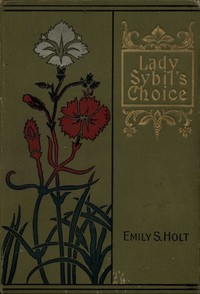
Lady Sybil's Choice: A Tale of the Crusades
Written by Emily Sarah Holt
Chaptra reads alongside you — AI insights, chapter breakdowns and reader discussions for every book. Join free
About this book
Reading guide
Themes, characters and key ideas in Lady Sybil's Choice: A Tale of the Crusades, written by Chaptra AI.
- about 9 hours
- intermediate
- melancholy
- introspective
- historical
Emily Sarah Holt's "Lady Sybil's Choice: A Tale of the Crusades" immerses readers in the emotional world of Lady Elaine, a young noblewoman navigating profound personal turmoil amidst the backdrop of medieval England and the Crusades. The narrative centers on Elaine's deep affection and conflicting feelings as her beloved brother, Guy, departs for the Holy Land, leaving her to grapple with abandonment and an uncertain future. Through Elaine's introspective journey, the novel explores universal themes of love, duty, and faith, set against the rigid societal expectations of her time. Her struggles are further complicated by familial tensions with her half-sister, Alix, and the looming question of Guy's fate and her own romantic prospects. Ultimately, the story delves into the complex choices that shape a young woman's destiny within a tumultuous historical era.
“"The weight of Guy's absence pressed upon her heart, a physical ache that no sunlit morning could dispel."”
Key themes
- Love and Attachment
- The novel deeply explores the multifaceted nature of love, particularly the intense familial bond between siblings (Elaine and Guy) and the burgeoning awareness of romantic love. It delves into the emotions of attachment, separation anxiety, and the selflessness or possessiveness that can accompany deep affection.
- Duty vs. Desire
- This theme examines the conflict between personal desires (e.g., Elaine's longing for Guy's presence, her own romantic inclinations) and the expectations of one's social station and familial obligations. Guy's duty to the Crusades and Elaine's implicit duty to her family and future reflect this tension.
- Youth and Maturation
- The narrative explicitly traces Lady Elaine's journey from an emotionally dependent youth to a more mature understanding of herself and the world. Her experiences with separation, anxiety, and the complexities of relationships serve as catalysts for her personal growth.
Worth discussing
How does Lady Elaine's internal conflict reflect broader societal expectations for women in the medieval period?
Chapter-by-chapter breakdowns, character arcs and the full thematic analysis come with a free account.
Discussions
No one has started one yet
Questions this book opens up
No discussions yet
Be the first to start a discussion about this book!
Sign up to start the discussionReviews
No reviews yet
Be the first to review this book!