
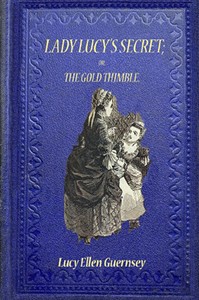
Lady Lucy's secret : $b or, the gold thimble
Written by Lucy Ellen Guernsey
Chaptra reads alongside you — AI insights, chapter breakdowns and reader discussions for every book. Join free
About this book
Reading guide
Themes, characters and key ideas in Lady Lucy's secret : $b or, the gold thimble, written by Chaptra AI.
- about 9 hours
- intermediate
- melancholy
- hopeful
- historical
Lucy Ellen Guernsey's "Lady Lucy's Secret: Or, The Gold Thimble" transports readers to early 18th-century England, following the poignant journey of Lady Lucy, an eleven-year-old heiress. Trapped in a life of loneliness and rigid discipline under the tyrannical guardianship of her Aunt Bernard, Lucy yearns for affection, freedom, and a sense of belonging. The narrative unfolds as Lucy seizes a fleeting moment of liberty during her aunt's absence, only for her innocent rebellion to lead to unforeseen and serious consequences. This historical fiction explores the profound impact of childhood oppression, the yearning for personal freedom, and a young girl's path toward self-discovery amidst adversity, with a mysterious 'gold thimble' likely holding a key to her future.
“"Her wealth was a gilded cage, offering no solace from the chill of her aunt's disdain."”
Key themes
- Childhood Oppression vs. Freedom
- This theme is central to the narrative, exploring the stark contrast between Lady Lucy's desire for the carefree existence of a child and the harsh, restrictive reality imposed by her Aunt Bernard. It delves into the psychological impact of constant surveillance, emotional deprivation, and strict discipline on a young mind, highlighting the universal human yearning for autonomy and the simple joys of life. Lucy's brief taste of freedom during her aunt's absence serves as a powerful illustration of this conflict.
- The Quest for Identity and Self-Discovery
- As Lucy navigates her oppressive environment, she is also on a journey to understand who she is outside of her aunt's definition. Her isolation forces introspection, and her acts of rebellion, however small, are steps towards asserting her individuality. The potential 'secret' and the 'gold thimble' likely play a significant role in revealing aspects of her heritage or true circumstances, which in turn helps her solidify her sense of self and purpose.
- Loneliness and the Search for Belonging
- A pervasive theme is Lucy's profound loneliness, stemming from the loss of her mother and the emotional coldness of her aunt. Despite her wealth and status, she is deeply isolated, yearning for affection, companionship, and a place where she truly feels accepted and loved. This search for belonging drives many of her actions and internal conflicts, highlighting the fundamental human need for connection.
Worth discussing
How does Lady Lucy's external wealth contrast with her internal poverty of affection and freedom? What message does this send about true riches?
Chapter-by-chapter breakdowns, character arcs and the full thematic analysis come with a free account.
Discussions
No one has started one yet
Questions this book opens up
No discussions yet
Be the first to start a discussion about this book!
Sign up to start the discussionReviews
No reviews yet
Be the first to review this book!