
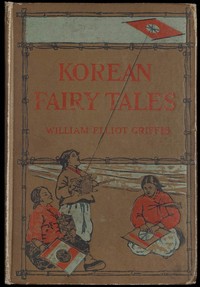
Korean Fairy Tales
Written by William Elliot Griffis
Chaptra reads alongside you — AI insights, chapter breakdowns and reader discussions for every book. Join free
About this book
Reading guide
Themes, characters and key ideas in Korean Fairy Tales, written by Chaptra AI.
- about 8 hours
- intermediate
- whimsical
- moralistic
- humorous
William Elliot Griffis's "Korean Fairy Tales" is a late 19th-century compilation that vividly preserves traditional Korean folklore, myths, and cultural beliefs. The collection introduces readers to a rich tapestry of oral traditions through a blend of whimsical characters, moral lessons, and humorous adventures. Stories like that of the cunning "Mountain Uncle" (a tiger) and the mischievous sprite "Tokgabi" serve to illustrate themes of gratitude, humility, and the consequences of one's actions. Through these engaging narratives, the book offers a charming and insightful glimpse into the wisdom and ethical values embedded within Korean heritage. It ultimately provides an engaging experience steeped in ancient folklore, promising both entertainment and enlightenment.
“"True manners are not merely outward show, but an inner spirit of gratitude and respect."”
Key themes
- Gratitude and Humility
- This theme is centrally explored through the story of 'Mountain Uncle,' who initially displays arrogance and ingratitude. The narrative emphasizes that true wisdom and respect come from acknowledging one's debts and humbling oneself, regardless of one's perceived status or power.
- Consequences of Actions
- Many tales in the collection serve as moral fables, illustrating that every action, whether good or ill, will inevitably lead to a corresponding outcome. This reinforces a sense of accountability and ethical responsibility.
- Wisdom and Morality
- The collection is rich with didactic elements, using characters' experiences and interactions to impart lessons on proper conduct, ethical living, and the acquisition of true wisdom. Moral dilemmas are often resolved through the guidance of wise figures or through natural consequences.
Worth discussing
How do the moral lessons in 'Korean Fairy Tales' compare to those found in Western folklore?
Chapter-by-chapter breakdowns, character arcs and the full thematic analysis come with a free account.
Discussions
No one has started one yet
Questions this book opens up
No discussions yet
Be the first to start a discussion about this book!
Sign up to start the discussionReviews
No reviews yet
Be the first to review this book!