
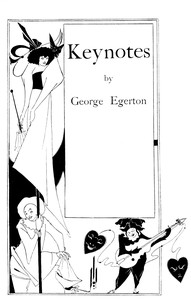
Keynotes
Written by George Egerton
Chaptra reads alongside you — AI insights, chapter breakdowns and reader discussions for every book. Join free
About this book
Reading guide
Themes, characters and key ideas in Keynotes, written by Chaptra AI.
- about 8 hours
- intermediate
- Introspective
- Challenging
- Melancholy
George Egerton's "Keynotes" is a pivotal late 19th-century collection of short stories that delves into the complex inner lives of women navigating societal constraints and personal desires. Through a series of vivid vignettes, the work explores themes of burgeoning femininity, the struggle for self-expression, and the intricate dynamics of human relationships, particularly between men and women. The narratives often highlight the emotional intensity and intellectual independence of female characters who yearn for freedom and authentic love beyond conventional expectations. "Keynotes" challenged prevailing Victorian ideals of womanhood, offering a raw and unflinching look at female psychology and sensuality, making it a significant work in early feminist literature.
“"Her soul, a wild bird, beat against the bars of convention, longing for a freedom denied to her sex."”
Key themes
- Femininity and Identity
- This theme explores the multifaceted and often contradictory nature of female identity in the late 19th century. Egerton delves into what it means to be a woman beyond the prescribed roles of wife and mother, examining the intellectual, emotional, and sensual dimensions of female experience. The stories highlight the struggle to forge a personal identity amidst restrictive societal expectations.
- Societal Expectations vs. Personal Desire
- This theme is central to the collection, examining the inherent conflict between the rigid social conventions of Victorian society and the intense, often suppressed, personal desires of women. Egerton portrays the psychological toll of this conflict, as characters navigate the tension between their longing for freedom, love, and self-expression, and the demands of propriety, duty, and marriage.
- Gender Dynamics and Power
- The collection critically examines the power imbalances inherent in late 19th-century gender relations. Egerton exposes how men and women perceive each other, the limitations placed on women's agency, and the subtle and overt ways power is exerted within relationships. The stories often highlight women's intellectual independence and emotional depth being overlooked or misconstrued by men.
Worth discussing
How does Egerton challenge traditional Victorian notions of femininity and womanhood in 'Keynotes'?
Chapter-by-chapter breakdowns, character arcs and the full thematic analysis come with a free account.
Discussions
No one has started one yet
Questions this book opens up
No discussions yet
Be the first to start a discussion about this book!
Sign up to start the discussionReviews
No reviews yet
Be the first to review this book!