
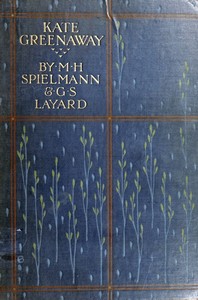
Kate Greenaway
Written by M. H. (Marion Harry) Spielmann,George Somes Layard
Chaptra reads alongside you — AI insights, chapter breakdowns and reader discussions for every book. Join free
About this book
Reading guide
Themes, characters and key ideas in Kate Greenaway, written by Chaptra AI.
- about 8 hours
- intermediate
- Informative
- Appreciative
- Historical
M. H. Spielmann and George Somes Layard's "Kate Greenaway" is an early 20th-century biographical tribute to the celebrated illustrator, chronicling her life and profound artistic contributions. The book emphasizes Greenaway's unique ability to capture the innocent joys of childhood through her enchanting illustrations, highlighting her modesty, sincerity, and universal appeal. It delves into her significant relationships, particularly her influential correspondence with John Ruskin, and explores the experiences that shaped her distinctive artistic vision. Ultimately, the biography positions Greenaway as a pivotal figure whose work brought happiness to generations and left an indelible mark on children's literature and illustration.
“"Her art, born of a genuine affection for childhood, resonated universally, bringing happiness to generations."”
Key themes
- The Innocence and Joy of Childhood
- This is the central theme of Greenaway's art and, consequently, of the biography. The book explores how Greenaway uniquely captured and celebrated the untainted happiness, simplicity, and imaginative world of children, offering a nostalgic and idealized vision that resonated deeply with the public.
- Artistic Dedication and Legacy
- The biography examines Greenaway's unwavering commitment to her craft and the lasting impact of her artistic vision. It portrays her work not just as commercial success but as a significant contribution to culture, highlighting how her unique style created an enduring legacy in art and literature.
- Influence and Mentorship
- This theme explores the impact of significant relationships, particularly the intellectual and artistic mentorship provided by John Ruskin. The book details how these interactions shaped Greenaway's perspective, refined her artistic approach, and provided critical encouragement.
Worth discussing
How does the book's early 20th-century perspective influence its portrayal of Kate Greenaway's life and art?
Chapter-by-chapter breakdowns, character arcs and the full thematic analysis come with a free account.
Discussions
No one has started one yet
Questions this book opens up
No discussions yet
Be the first to start a discussion about this book!
Sign up to start the discussionReviews
No reviews yet
Be the first to review this book!