
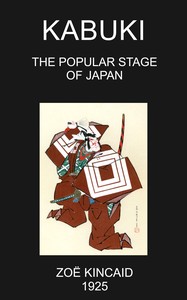
Kabuki : $b The popular stage of Japan
Written by Zoë Kincaid
Chaptra reads alongside you — AI insights, chapter breakdowns and reader discussions for every book. Join free
About this book
Reading guide
Themes, characters and key ideas in Kabuki : $b The popular stage of Japan, written by Chaptra AI.
- about 12 hours
- advanced
- informative
- historical
- appreciative
Zoë Kincaid's "Kabuki: The Popular Stage of Japan" offers an early 20th-century deep dive into the historical and cultural tapestry of Kabuki theater. The book meticulously traces Kabuki's evolution over three centuries, highlighting its profound connection to Japanese society and distinguishing it from other theatrical forms like Nō and Ningyo-shibai. Kincaid explores not only the dynamic performances but also the rigorous artistry of the actors and the passionate engagement of its audiences. By acknowledging diverse influences and setting an immersive scene, Kincaid establishes a foundational understanding for readers, paving the way for a comprehensive analysis of Kabuki's unique conventions and enduring artistic legacy.
“"The Kabuki stage is not merely a place of entertainment, but a mirror reflecting the very soul and history of Japan."”
Key themes
- Cultural Preservation and Evolution
- The book deeply explores how Kabuki has maintained its traditional forms and essence over centuries while simultaneously adapting to changing social contexts and audience tastes. Kincaid examines how an art form can be both a historical artifact and a living, dynamic entity, reflecting the ongoing dialogue between tradition and innovation.
- The Interplay of Art and Society
- Kincaid emphasizes that Kabuki is not an isolated art form but one deeply intertwined with Japanese society. She explores how social structures, historical events, and popular sentiment have influenced Kabuki's themes, conventions, and audience engagement, and conversely, how Kabuki has reflected and shaped Japanese cultural identity.
- The Craft of Performance and Dedication
- The book delves into the rigorous training, discipline, and artistic dedication required of Kabuki actors. Kincaid highlights the demanding nature of the craft, from mastering intricate dance forms and vocal techniques to embodying complex characters, underscoring the profound commitment necessary to sustain such a demanding art form.
Worth discussing
How does Kincaid's early 20th-century perspective shape her analysis of Kabuki, and what might a contemporary scholar add or alter?
Chapter-by-chapter breakdowns, character arcs and the full thematic analysis come with a free account.
Discussions
No one has started one yet
Questions this book opens up
No discussions yet
Be the first to start a discussion about this book!
Sign up to start the discussionReviews
No reviews yet
Be the first to review this book!