
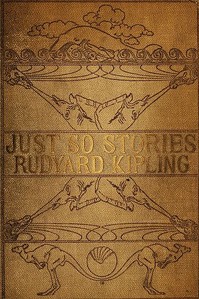
Just so stories
Written by Rudyard Kipling
Chaptra reads alongside you — AI insights, chapter breakdowns and reader discussions for every book. Join free
About this book
Reading guide
Themes, characters and key ideas in Just so stories, written by Chaptra AI.
- about 8 hours
- intermediate
- whimsical
- humorous
- imaginative
Rudyard Kipling's "Just So Stories" is a collection of whimsical, imaginative fables that offer fanciful explanations for how various animals acquired their distinctive features and behaviors. Written with a unique, rhythmic prose and often addressing the reader directly as "O Best Beloved," the tales blend folklore, humor, and a sense of wonder. From the Whale's throat to the Leopard's spots and the Camel's hump, each story provides a creative origin myth, often highlighting the consequences of actions and the transformative power of the natural world. The book stands as a classic of children's literature, cherished for its inventive storytelling, playful language, and enduring appeal to the imagination.
“"O Best Beloved, my heart's desire, and my only only, O Best Beloved."”
Key themes
- Origin and Explanation
- The central theme of the collection, where each story provides a whimsical, 'just so' explanation for how various animals acquired their distinctive features or behaviors. It explores the human impulse to understand and categorize the world, even if through imaginative means.
- Consequences of Actions
- Many stories illustrate how specific actions, whether good, bad, or merely curious, lead directly to lasting changes for the characters. This often serves as a moral lesson embedded within the fantastical narratives.
- The Power of Storytelling and Language
- Kipling's unique prose, repetitive phrases, and direct address to 'O Best Beloved' highlight the performative and transformative power of language. The stories themselves are an exploration of how narratives shape understanding, transmit knowledge (even if fanciful), and create shared cultural experiences.
Worth discussing
How does Kipling's unique narrative voice, particularly the address 'O Best Beloved,' shape the reading experience and the relationship between narrator and reader?
Chapter-by-chapter breakdowns, character arcs and the full thematic analysis come with a free account.
Discussions
No one has started one yet
Questions this book opens up
No discussions yet
Be the first to start a discussion about this book!
Sign up to start the discussionReviews
No reviews yet
Be the first to review this book!