
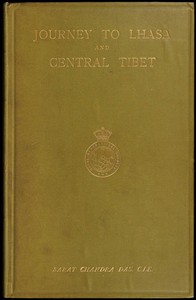
Journey to Lhasa and Central Tibet
Written by Sarat Chandra Das
Chaptra reads alongside you — AI insights, chapter breakdowns and reader discussions for every book. Join free
About this book
Reading guide
Themes, characters and key ideas in Journey to Lhasa and Central Tibet, written by Chaptra AI.
- about 12 hours
- intermediate
- adventurous
- informative
- challenging
Sarat Chandra Das's "Journey to Lhasa and Central Tibet" is a pivotal late 19th-century travel narrative that meticulously chronicles the author's daring expeditions into the largely inaccessible heart of Tibet in 1881 and 1883. Blending personal anecdotes with detailed geographical and cultural observations, the book offers a rare window into a region then shrouded in mystery to the Western world. It vividly portrays the challenges of navigating treacherous Himalayan terrain, the complexities of cultural encounters, and the profound curiosity that drove Das's pioneering exploration. The narrative captures the tension between the sublime beauty of the landscape and the inherent dangers, establishing a compelling record of discovery and cross-cultural interaction.
“The vastness of the Himalayas, though breathtaking, held a silent threat in every unstable path and sudden storm, a constant reminder of our fragile existence.”
Key themes
- Exploration and Discovery
- The core theme of the book, focusing on the drive to venture into uncharted territories, map unknown lands, and uncover hidden cultures. It explores the physical and intellectual challenges of discovery, the meticulous process of observation, and the personal motivations behind such arduous journeys.
- Cultural Encounter and Exchange
- This theme examines the interactions between Das (representing an external, albeit Indian, perspective) and the various Tibetan populations he encounters. It delves into the challenges of cross-cultural communication, the observation of foreign customs, and the delicate balance between respect for tradition and the drive for information.
- Human Resilience Against Nature
- The narrative frequently emphasizes the formidable natural environment of the Himalayas and Central Tibetan plateau. This theme explores the physical and mental endurance required to survive and traverse such harsh landscapes, highlighting the vulnerability of humans in the face of nature's power and their capacity to overcome adversity.
Worth discussing
How does Das's identity as an Indian scholar, rather than a European, influence his perspective and reception in Tibet?
Chapter-by-chapter breakdowns, character arcs and the full thematic analysis come with a free account.
Discussions
No one has started one yet
Questions this book opens up
No discussions yet
Be the first to start a discussion about this book!
Sign up to start the discussionReviews
No reviews yet
Be the first to review this book!