
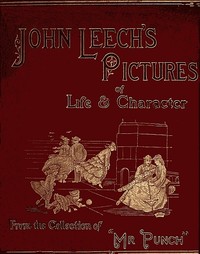
John Leech's Pictures of Life and Character, Vol. 2 (of 3): From the Collection of "Mr. Punch"
Written by John Leech
Chaptra reads alongside you — AI insights, chapter breakdowns and reader discussions for every book. Join free
About this book
Reading guide
Themes, characters and key ideas in John Leech's Pictures of Life and Character, Vol. 2 (of 3): From the Collection of "Mr. Punch", written by Chaptra AI.
- about 8 hours
- intermediate
- humorous
- witty
- observational
John Leech's Pictures of Life and Character, Vol. 2, is a vibrant collection of satirical illustrations originally published in the renowned British magazine "Punch." This volume offers a humorous and insightful window into mid-Victorian society, capturing its customs, eccentricities, and everyday interactions through Leech's distinctive visual wit. Comprising a series of lively cartoons and accompanying captions, the book explores themes ranging from domestic life and social etiquette to seasonal festivities and human foibles. Leech's sharp comedic lens brilliantly illuminates the amusing intricacies of life, making this collection not just a source of laughter but also a valuable historical document of its era.
“"Pray, Papa, may I have a little bit of your moustache to tie up my doll's hair with?"”
Key themes
- Victorian Social Norms and Etiquette
- Leech frequently satirizes the strict and often absurd rules governing social interactions, courtship, and public behavior in Victorian society. His cartoons highlight the pressure to conform and the humorous consequences when these norms are broken or misinterpreted.
- Domestic Life and Family Dynamics
- A significant portion of Leech's work focuses on the everyday realities of Victorian homes, including the relationships between spouses, parents and children, and masters and servants. He captures both the warmth and the exasperation inherent in family life.
- Class Distinctions and Aspirations
- The collection subtly and overtly comments on the rigid class structure of Victorian England. Leech often contrasts the lives of the wealthy with those of the working class, illustrating the humor and occasional friction arising from these divisions, as well as the aspirations of various classes.
Worth discussing
How does John Leech use humor to critique or comment on Victorian society? Provide specific examples from the types of scenarios depicted.
Chapter-by-chapter breakdowns, character arcs and the full thematic analysis come with a free account.
Discussions
No one has started one yet
Questions this book opens up
No discussions yet
Be the first to start a discussion about this book!
Sign up to start the discussionReviews
No reviews yet
Be the first to review this book!