
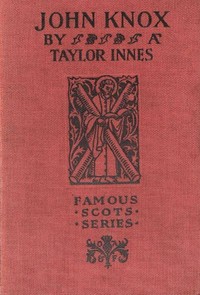
John Knox
Written by A. Taylor (Alexander Taylor) Innes
Chaptra reads alongside you — AI insights, chapter breakdowns and reader discussions for every book. Join free
About this book
Reading guide
Themes, characters and key ideas in John Knox, written by Chaptra AI.
- about 12 hours
- advanced
- Historical
- Serious
- Biographical
A. Taylor Innes's "John Knox" offers a comprehensive biographical account of the formidable Scottish reformer, tracing his journey from humble beginnings to becoming the central figure in Scotland's Protestant Reformation. The book meticulously details Knox's theological development, his periods of exile and persecution, and his unyielding confrontations with both the Catholic hierarchy and the reigning monarchy, particularly Mary, Queen of Scots. Innes portrays Knox as a man driven by fervent conviction, whose unwavering commitment to reformed doctrine fundamentally shaped the religious and political landscape of 16th-century Scotland, establishing Presbyterianism as the national church. The analysis delves into the complexities of Knox's character, his powerful rhetoric, and the enduring legacy of his radical vision for a covenanted nation.
“"Give me Scotland or I die!"”
Key themes
- The Scottish Reformation
- This is the overarching theme, detailing the historical process by which Scotland transitioned from Catholicism to Protestantism, specifically Presbyterianism. Innes meticulously charts the theological debates, political maneuvers, and social upheavals that characterized this transformative period, with Knox at its epicenter.
- Church and State
- A central conflict in the book revolves around the proper relationship between ecclesiastical and civil authority. Knox vehemently argued for the church's spiritual independence and its right to critique and guide the state, even to the point of resisting ungodly rulers. This theme is explored through his clashes with the regency and Mary, Queen of Scots.
- Individual Conscience and Authority
- Knox's life exemplifies the theme of individual conscience compelling resistance against established, perceived ungodly authority. His willingness to suffer persecution and challenge powerful monarchs stemmed from his conviction that one must obey God rather than man, even at great personal cost.
Worth discussing
To what extent was John Knox a product of his time, and to what extent did he transcend it?
Chapter-by-chapter breakdowns, character arcs and the full thematic analysis come with a free account.
Discussions
No one has started one yet
Questions this book opens up
No discussions yet
Be the first to start a discussion about this book!
Sign up to start the discussionReviews
No reviews yet
Be the first to review this book!