
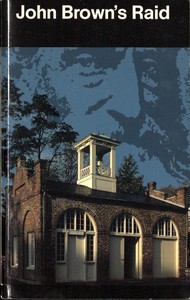
John Brown's Raid
Written by United States. National Park Service
Chaptra reads alongside you — AI insights, chapter breakdowns and reader discussions for every book. Join free
About this book
Reading guide
Themes, characters and key ideas in John Brown's Raid, written by Chaptra AI.
- about 8 hours
- intermediate
- Historical
- Tense
- Somber
The United States National Park Service's "John Brown's Raid" offers a meticulously researched historical account of the pivotal 1859 Harpers Ferry raid led by abolitionist John Brown. This late 20th-century publication illuminates the motivations and diverse backgrounds of Brown and his band of followers, detailing their dramatic stand against slavery. The book meticulously chronicles the event from the somber march towards Harpers Ferry to its violent conclusion and profound aftermath, positioning it as a critical catalyst for the American Civil War. It underscores how Brown's actions brought the contentious issue of slavery to the forefront of national consciousness, challenging federal authority and igniting widespread debate across a divided nation. Through its narrative, the text provides an essential understanding of a turning point in American history.
“"On that grim, misty October night, a small band of men marched towards destiny, their fervent opposition to slavery uniting them against an entrenched system."”
Key themes
- Abolitionism and Emancipation
- This is the central theme, exploring the fervent desire to end slavery that motivated John Brown and his followers. The book details Brown's radical vision of emancipation, which extended beyond legal means to include violent insurrection, and the varied methods considered by abolitionists of the era. It highlights the moral imperative felt by many to eradicate the institution of slavery, even at great personal cost.
- The Morality of Violence
- The book deeply probes the controversial question of whether violence is justifiable in pursuit of a righteous cause, particularly when legal and political avenues seem exhausted. It presents John Brown's unwavering belief that God sanctioned his use of force to free the enslaved, contrasting this with the prevailing societal norms and federal authority. The text implicitly invites readers to consider the ethical dilemmas inherent in such radical actions.
- Catalyst for Conflict
- The book rigorously positions John Brown's Raid as a critical event that dramatically escalated tensions between the North and South, pushing the nation closer to civil war. It details how the raid shattered any remaining illusions of peaceful resolution to the slavery question, hardening positions on both sides and intensifying mutual distrust. The federal response and subsequent national reactions are presented as direct precursors to secession.
Worth discussing
To what extent was John Brown a righteous hero or a dangerous fanatic? How does the book present his motivations?
Chapter-by-chapter breakdowns, character arcs and the full thematic analysis come with a free account.
Discussions
No one has started one yet
Questions this book opens up
No discussions yet
Be the first to start a discussion about this book!
Sign up to start the discussionReviews
No reviews yet
Be the first to review this book!