
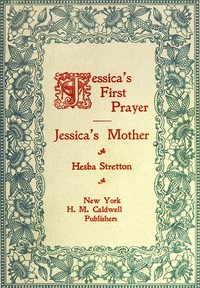
Jessica's First Prayer; and, Jessica's Mother
Written by Hesba Stretton
Chaptra reads alongside you — AI insights, chapter breakdowns and reader discussions for every book. Join free
About this book
Reading guide
Themes, characters and key ideas in Jessica's First Prayer; and, Jessica's Mother, written by Chaptra AI.
- about 8 hours
- intermediate
- somber
- hopeful
- didactic
Hesba Stretton's "Jessica's First Prayer; and, Jessica's Mother" is a poignant Victorian children's novel exploring the dire circumstances of a young, impoverished girl named Jessica. Living amidst neglect and destitution, Jessica finds solace and kindness in Daniel, a benevolent coffee-stall keeper, who introduces her to compassion and the concept of faith. The narrative traces Jessica's journey from a life of hardship and hunger to one touched by spiritual awakening and hope. Simultaneously, the story delves into the complex and often tragic relationship with her troubled mother, highlighting themes of redemption, the power of charity, and the profound impact of simple human kindness on vulnerable lives. It serves as a powerful social commentary on poverty and the moral lessons prevalent in 19th-century England.
“"I wish I knew how to pray, like the good people do, so God would hear me."”
Key themes
- Poverty and Social Injustice
- The novel vividly portrays the harsh realities of extreme poverty in Victorian London, highlighting the suffering of children like Jessica who are victims of neglect, hunger, and lack of shelter. It serves as a powerful commentary on the social injustices of the era and the indifference of society towards its most vulnerable members.
- Faith and Redemption
- Central to the narrative is Jessica's spiritual awakening, initiated by Daniel's gentle introduction to prayer and the concept of a loving God. Faith offers Jessica solace, hope, and a moral compass in her otherwise bleak existence. This theme extends to the possibility of redemption for Jessica's mother, suggesting that even the most lost souls can find a path to spiritual grace.
- Compassion and Charity
- The novel strongly advocates for active compassion and Christian charity as essential responses to suffering. Daniel's character embodies this theme, demonstrating how simple acts of kindness—a warm drink, a kind word—can have profound and lasting impacts on individuals and communities.
Worth discussing
How does Stretton use Jessica's character to comment on social injustice and poverty in Victorian England?
Chapter-by-chapter breakdowns, character arcs and the full thematic analysis come with a free account.
Discussions
No one has started one yet
Questions this book opens up
No discussions yet
Be the first to start a discussion about this book!
Sign up to start the discussionReviews
No reviews yet
Be the first to review this book!