
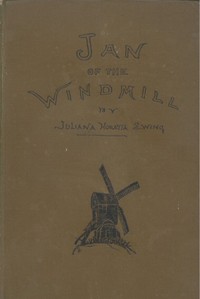
Jan of the Windmill: A Story of the Plains
Written by Juliana Horatia Ewing
Chaptra reads alongside you — AI insights, chapter breakdowns and reader discussions for every book. Join free
About this book
Reading guide
Themes, characters and key ideas in Jan of the Windmill: A Story of the Plains, written by Chaptra AI.
- about 8 hours
- intermediate
- poignant
- hopeful
- melancholy
Juliana Horatia Ewing's "Jan of the Windmill" is a poignant 19th-century novel exploring themes of grief, resilience, and the transformative power of unconditional love within a rural setting. The story centers on a grieving windmiller's wife, consumed by the recent loss of her child, and her pragmatic husband, who, driven by financial concerns, reluctantly adopts an orphaned infant named Jan. This unexpected arrival forces the couple to confront their sorrow and re-evaluate their lives, as Jan's presence gradually mends their broken hearts and revitalizes their struggling family. The narrative delves into the complexities of human emotion, illustrating how profound loss can eventually pave the way for unexpected joy and the formation of a resilient, loving family unit.
“"The wind howled a dirge for the living, and the mill groaned with a weary burden, yet within, a greater storm raged in a mother's heart."”
Key themes
- Grief and Healing
- The novel profoundly explores the debilitating effects of grief, particularly maternal grief, and the slow, arduous process of healing. The windmiller's wife's journey from despair to finding solace and renewed purpose through caring for Jan is central to this theme.
- Found Family and Adoption
- A core theme, it examines how family is not solely defined by blood but by love, commitment, and shared experience. The adoption of Jan transforms a fractured, grief-stricken couple into a loving family unit, highlighting the profound impact of welcoming an outsider.
- Resilience and Hope
- Amidst hardship, loss, and the harsh realities of life on the plains, the characters demonstrate remarkable resilience. Jan himself embodies hope, his innocence and capacity for joy becoming a beacon for his foster parents.
Worth discussing
How does Ewing portray grief and loss, particularly through the character of the windmiller's wife, and how does she eventually find solace?
Chapter-by-chapter breakdowns, character arcs and the full thematic analysis come with a free account.
Discussions
No one has started one yet
Questions this book opens up
No discussions yet
Be the first to start a discussion about this book!
Sign up to start the discussionReviews
No reviews yet
Be the first to review this book!