
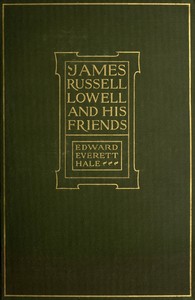
James Russell Lowell and His Friends
Written by Edward Everett Hale
Chaptra reads alongside you — AI insights, chapter breakdowns and reader discussions for every book. Join free
About this book
Reading guide
Themes, characters and key ideas in James Russell Lowell and His Friends, written by Chaptra AI.
- about 12 hours
- advanced
- biographical
- intellectual
- historical
Edward Everett Hale's "James Russell Lowell and His Friends" offers a biographical exploration of the eminent 19th-century American poet and essayist, James Russell Lowell. The narrative meticulously details Lowell's formative years, from his privileged upbringing at Elmwood amidst a culturally rich environment, to his educational journey and the profound influence of his family, particularly his father, Rev. Charles Lowell. The book then shifts focus to the pivotal intellectual circles of Boston and Cambridge, highlighting the significant friendships Lowell cultivated with fellow literary figures. Hale illustrates how these relationships were instrumental in shaping Lowell's character, informing his literary output, and ultimately contributing to the vibrant literary landscape of his era.
“"Elmwood, with its stately trees and ancestral echoes, was not merely a home; it was the very soil in which the young poet's spirit was destined to take root and flourish."”
Key themes
- The Power of Friendship and Intellectual Exchange
- Central to the book's title and narrative, this theme highlights the indispensable role of Lowell's friendships with fellow literary figures. Hale illustrates how these connections were not merely social but deeply intellectual, fostering mutual inspiration, critical feedback, and collaborative endeavors. It argues that intellectual growth and artistic production are often enhanced, if not dependent upon, a supportive and stimulating community of peers.
- The Influence of Environment and Upbringing
- Hale meticulously details Lowell's childhood at Elmwood, emphasizing the idyllic, culturally rich, and privileged environment. This theme explores how a nurturing home, access to books, and the presence of intellectually stimulating family members, particularly his father, profoundly shaped Lowell's character, poetic sensibility, and lifelong love for literature. It argues that genius is often cultivated by fertile ground.
- Literary Development and Vocation
- This theme traces Lowell's journey from a young boy with poetic inclinations to a mature and accomplished literary figure. It explores the dedication, hard work, and evolving understanding of his craft that characterized his career. Hale illustrates how Lowell embraced his vocation as a poet, essayist, and critic, and how his work reflected both personal expression and a broader engagement with the cultural and political issues of his time.
Worth discussing
How does Hale's portrayal of Lowell's childhood at Elmwood contribute to our understanding of his later literary themes and perspectives?
Chapter-by-chapter breakdowns, character arcs and the full thematic analysis come with a free account.
Discussions
No one has started one yet
Questions this book opens up
No discussions yet
Be the first to start a discussion about this book!
Sign up to start the discussionReviews
No reviews yet
Be the first to review this book!