
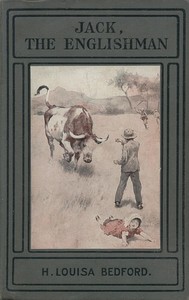
Jack the Englishman
Written by H. Louisa Bedford
Chaptra reads alongside you — AI insights, chapter breakdowns and reader discussions for every book. Join free
About this book
Reading guide
Themes, characters and key ideas in Jack the Englishman, written by Chaptra AI.
- about 8 hours
- intermediate
- uplifting
- wholesome
- nostalgic
H. Louisa Bedford's early 20th-century novel, "Jack the Englishman," chronicles the formative years of its spirited protagonist, Jack, on his grandfather's idyllic Tasmanian farm. Proud of his English heritage through his distant naval captain father, Jack navigates the simple joys of childhood alongside the deeper complexities of family affection and longing. The narrative introduces his strong bond with Aunt Betty and the promise of new friendships, particularly with Eva, as he begins to confront the natural challenges and dangers inherent in growing up. The story sets the stage for Jack's development, highlighting his journey from innocent farm life towards understanding his identity and embracing courage.
Key themes
- Family Bonds and Belonging
- The narrative emphasizes the profound importance of familial relationships, from the immediate comfort of his grandfather and Aunt Betty to the aspirational connection with his distant father. It explores the different forms of family love and the sense of belonging they provide, even when a key figure is absent.
- Identity and Heritage
- The novel deeply explores Jack's sense of self, which is strongly tied to his English heritage and his father's profession as a naval captain. This theme examines how cultural background and familial legacy shape a child's aspirations and self-perception, especially in a colonial setting like Tasmania.
- Childhood and Innocence
- The book vividly portrays the joys and simple pleasures of childhood, set against the backdrop of a Tasmanian farm. It captures a period of life characterized by spirited play, discovery, and a relatively sheltered existence, while also acknowledging the inevitable onset of life's complexities.
Worth discussing
How does Jack's pride in his English heritage shape his identity and aspirations?
Chapter-by-chapter breakdowns, character arcs and the full thematic analysis come with a free account.
Discussions
No one has started one yet
Questions this book opens up
No discussions yet
Be the first to start a discussion about this book!
Sign up to start the discussionReviews
No reviews yet
Be the first to review this book!