
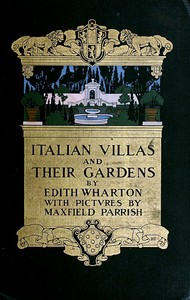
Italian Villas and Their Gardens
Written by Edith Wharton
Chaptra reads alongside you — AI insights, chapter breakdowns and reader discussions for every book. Join free
About this book
Reading guide
Themes, characters and key ideas in Italian Villas and Their Gardens, written by Chaptra AI.
- about 10 hours
- advanced
- Elegant
- Informative
- Evocative
Edith Wharton's "Italian Villas and Their Gardens" is a seminal work exploring the architectural and aesthetic principles of Italian garden design in the early 20th century. Through richly descriptive prose, Wharton delves into various regional styles, demonstrating how these gardens are conceived as integral extensions of the villas themselves, rather than mere decorative additions. She emphasizes the unique charm of Italian gardens, which lies in their structural elements, integration with the landscape, and cultural adaptation, prioritizing harmonious design over fleeting floral displays. The book offers a profound appreciation for the enduring artistry that merges nature and architecture into cohesive, enchanting spaces.
“The unique appeal of Italian gardens... crafted to enchant and engage through their harmony with the surrounding landscape rather than through a focus on floral beauty.”
Key themes
- Integration of Architecture and Nature
- This is the central thesis of the book, where Wharton argues that Italian villas and their gardens are not separate entities but are conceived as a unified whole. The garden is an outdoor extension of the architectural space, designed to complement and enhance the villa, forming a seamless transition between human-made structure and the natural world.
- Aesthetic Principles and Design Philosophy
- Wharton delves into the underlying aesthetic principles that guided the creation of Italian gardens, contrasting them with other garden traditions. She highlights the emphasis on structural beauty, harmony, proportion, and the deliberate creation of 'enchanting' and 'engaging' spaces through carefully planned elements rather than ephemeral floral displays.
- Cultural and Historical Context
- The book places Italian garden design within its specific historical and cultural milieu, showing how local conditions, available resources, technological advancements (e.g., hydraulics), and prevailing artistic and philosophical trends (e.g., the Renaissance, Baroque) shaped the evolution and distinct characteristics of these spaces across different regions.
Worth discussing
How does Wharton's emphasis on structural elements and integration with the landscape challenge or expand traditional notions of garden beauty?
Chapter-by-chapter breakdowns, character arcs and the full thematic analysis come with a free account.
Discussions
No one has started one yet
Questions this book opens up
No discussions yet
Be the first to start a discussion about this book!
Sign up to start the discussionReviews
No reviews yet
Be the first to review this book!