
About this book
Reading guide
Themes, characters and key ideas in Insects and Diseases of Trees in the South, written by Chaptra AI.
- about 8 hours
- intermediate
- Informative
- Practical
- Educational
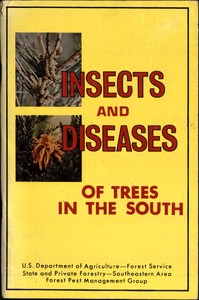
''Insects and Diseases of Trees in the South'' by Anonymous is a foundational scientific guide from the mid-20th century, specifically tailored for forest managers and homeowners in the Southern United States. It serves as a practical resource for identifying and managing common insect pests and diseases affecting both ornamental and forest trees. The publication strongly advocates for maintaining robust tree health as the primary and most effective strategy for pest management. With its clear purpose outlined from the outset, the guide emphasizes the critical importance of prompt identification and intervention to prevent significant tree loss. While refraining from specific pesticide recommendations, it directs readers to local experts, enhancing its long-term relevance and promoting responsible practices. Augmented by visual aids, this text remains a vital tool for practical forestry and landscape management.
“The primary objective of this publication is to assist in recognizing the common insect pests and diseases that threaten trees in the South.”
Key themes
- Proactive Management and Prevention
- This is the cornerstone philosophy of the guide. It consistently advocates for maintaining optimal tree health as the most effective defense against pests and diseases, emphasizing that prevention is superior to reactive treatment. This theme underpins all advice, from proper planting to regular monitoring.
- The Power of Knowledge and Identification
- The guide heavily emphasizes the critical role of accurate identification as the first step in effective pest and disease management. It posits that understanding 'what' the problem is (the specific pest or pathogen) is essential for determining 'how' to address it, empowering readers with diagnostic skills.
- Adaptability and Expert Consultation
- By refraining from specific pesticide recommendations and instead directing readers to local experts, the guide implicitly promotes an understanding that management strategies are dynamic and context-dependent. This theme emphasizes the need for up-to-date information and localized solutions.
Worth discussing
How does the emphasis on 'maintaining tree health' in a mid-20th-century guide reflect early concepts of integrated pest management?
Chapter-by-chapter breakdowns, character arcs and the full thematic analysis come with a free account.
Discussions
No one has started one yet
Questions this book opens up
No discussions yet
Be the first to start a discussion about this book!
Sign up to start the discussionReviews
No reviews yet
Be the first to review this book!