
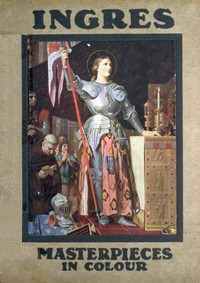
Ingres
Written by A. J. (Alexander Joseph) Finberg
Chaptra reads alongside you — AI insights, chapter breakdowns and reader discussions for every book. Join free
About this book
Reading guide
Themes, characters and key ideas in Ingres, written by Chaptra AI.
- about 8 hours
- advanced
- Informative
- Analytical
- Historical
A. J. Finberg's early 20th-century biography, "Ingres," offers an in-depth exploration of the life and artistic contributions of Jean-Auguste-Dominique Ingres, the renowned French painter. The book meticulously chronicles Ingres's journey from his early training to his eventual recognition, highlighting his distinctive artistic style that masterfully blended realism with idealism. Finberg examines Ingres's significant influences, personal struggles, and monumental achievements, including prestigious awards and royal commissions like his celebrated portraits of Napoleon. Ultimately, the biography positions Ingres as a pivotal figure who adeptly navigated the complex transition between classicism and romanticism, securing his enduring legacy in European art history.
“Ingres's genius lay in his unwavering commitment to line and form, a steadfast anchor in the tumultuous seas of artistic change.”
Key themes
- Realism vs. Idealism in Art
- A core theme analyzing Ingres's unique ability to balance meticulous realism in his observations (especially in portraits) with an underlying pursuit of an idealized beauty or form. Finberg highlights how Ingres sought to capture not just what was seen, but a perfected, timeless essence.
- Artistic Evolution and Tradition
- This theme explores Ingres's position at the cusp of classicism and romanticism. Finberg details how Ingres, while deeply rooted in classical principles and academic tradition (inherited from David), also subtly pushed boundaries and exhibited qualities that resonated with the emerging romantic movement. The book examines how he both upheld and innovated within established artistic norms.
- The Artist's Struggle and Triumph
- This theme explores the personal and professional challenges Ingres faced throughout his career, from initial lack of recognition and financial difficulties to achieving widespread acclaim, prestigious awards, and royal commissions. It highlights the dedication and resilience required to succeed as an artist.
Worth discussing
How does Finberg's early 20th-century perspective shape his interpretation of Ingres's art and legacy?
Chapter-by-chapter breakdowns, character arcs and the full thematic analysis come with a free account.
Discussions
No one has started one yet
Questions this book opens up
No discussions yet
Be the first to start a discussion about this book!
Sign up to start the discussionReviews
No reviews yet
Be the first to review this book!