
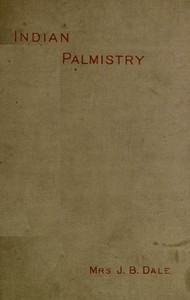
Indian Palmistry
Written by J. B. Dale
Chaptra reads alongside you — AI insights, chapter breakdowns and reader discussions for every book. Join free
About this book
Reading guide
Themes, characters and key ideas in Indian Palmistry, written by Chaptra AI.
- about 8 hours
- intermediate
- Instructive
- Mysterious
- Analytical
Mrs. J. B. Dale's "Indian Palmistry" is a late 19th-century instructional guide to cheiromancy, meticulously detailing the art of palm reading. The book systematically outlines the interpretations of various lines (Life, Fortune), mounts, and markings on the hand, relating them to character, health, and future events. It integrates historical and anecdotal insights, highlighting palmistry's cultural relevance across Eastern and Western traditions. Dale's work aims not only to teach the practical aspects of hand analysis but also to foster a deeper appreciation for this ancient practice, positioning it as a tool for self-discovery and understanding one's life path.
“The hand is but a map, upon which is traced the story of character, destiny, and the potential of life.”
Key themes
- Self-Knowledge and Introspection
- The book posits palmistry as a profound tool for understanding one's own character, predispositions, strengths, and weaknesses. By mapping out personality traits and potential life events on the hand, Dale encourages readers to engage in self-reflection and gain insights into their inner selves, leading to greater self-awareness and potentially better life choices.
- The Pursuit of Hidden Knowledge and the Occult
- The book itself is a testament to the human fascination with decoding the unknown and seeking insights beyond conventional understanding. It appeals to a desire for secret wisdom and the ability to foresee or interpret life's mysteries, placing it firmly within the broader context of occult and esoteric traditions that flourished in the late 19th century.
- Destiny vs. Free Will
- A central tension in palmistry, and thus in Dale's book, is the degree to which life is predetermined versus influenced by individual choice. While the book details 'future events' and 'fortune' indicated by lines, it also implies that understanding these potentials allows for preparedness or mitigation, hinting at a degree of agency within a fated framework. It explores how inherent traits (destiny) might guide one's path, but knowledge of them empowers choices (free will).
Worth discussing
How does 'Indian Palmistry' reflect the Victorian-era fascination with esoteric knowledge and spiritualism?
Chapter-by-chapter breakdowns, character arcs and the full thematic analysis come with a free account.
Discussions
No one has started one yet
Questions this book opens up
No discussions yet
Be the first to start a discussion about this book!
Sign up to start the discussionReviews
No reviews yet
Be the first to review this book!