
The AI reading companion for people who take books seriously
AI insights, chapter breakdowns, community discussions — all in one place.
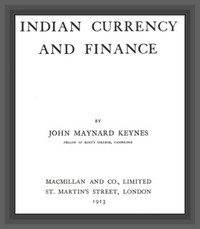
Indian Currency and Finance
About this book
More by John Maynard Keynes
Browse all books by this authorExplore Banks and banking Books
Discover more Banks and banking literature
Click "Read now" to open in our Reader with AI features.
Community Discussions
Join the conversation about this book
Discussions
0 discussions
No discussions yet
Be the first to start a discussion about this book!
Sign up to start the discussionAI-Powered Insights
A clearer way to understand Indian Currency and Finance through themes, characters, and key ideas
This reading guide highlights what stands out in Indian Currency and Finance through 4 core themes. It is meant to help readers decide whether the book fits their taste and deepen the reading once they begin.
About this book
A quick AI guide to “Indian Currency and Finance”
Get the shape of the book before you commit: what it is about, what mood it carries, and what ideas readers tend to stay with afterward.
What the book is doing
John Maynard Keynes's "Indian Currency and Finance" offers a meticulous economic examination of India's monetary system in the early 20th century. The book provides a historical account of India's transition from a silver-based currency to a gold-exchange standard, detailing the administrative decisions and economic rationale behind these pivotal changes. Keynes rigorously analyzes the characteristics of the Indian rupee, the mechanics of its value, government policies, and the intricate banking and currency mechanisms at play. Ultimately, it serves as a foundational text in understanding both the specific challenges of colonial monetary policy and Keynes's early contributions to economic thought on international finance.
Key Themes
Monetary Policy and Currency Stability
Keynes meticulously examines the mechanisms and challenges of maintaining a stable currency value, particularly in the context of a colonial economy tied to an imperial power. He delves into the intricacies of the gold-exchange standard, its operational requirements, and its effectiveness in achieving price stability and facilitating international trade.
Colonial Economics and Imperial Influence
The book inherently explores the economic relationship between a colonial power (Britain) and its dependency (India), highlighting how monetary policies were often designed to serve imperial interests, such as facilitating trade with the metropole and ensuring stability for British investments, rather than solely promoting India's indigenous economic development.
“The problems of Indian currency are not merely of academic interest, nor are they peculiar to India.”
To what extent did the gold-exchange standard serve the economic interests of India versus those of the British Empire?
See chapter-by-chapter takeaways, deeper character arcs, and a fuller literary analysis built around this book.
Unlock full AI analysis for “Indian Currency and Finance”
Chapter breakdowns, character deep-dives, and thematic analysis — all in one place.
Reader Reviews
See what others are saying
Reviews
Overall Rating
Based on community ratings
No reviews yet
Be the first to review this book!
Readers Also Enjoyed
Discover more books similar to Indian Currency and Finance