
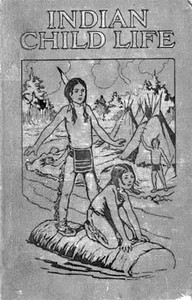
Indian Child Life
Written by Charles A. Eastman
Chaptra reads alongside you — AI insights, chapter breakdowns and reader discussions for every book. Join free
About this book
Reading guide
Themes, characters and key ideas in Indian Child Life, written by Chaptra AI.
- about 6 hours
- intermediate
- nostalgic
- reflective
- educational
Charles A. Eastman's "Indian Child Life" is an evocative collection of autobiographical stories from the early 20th century, offering a unique first-person perspective on Native American childhood, specifically within the Sioux tribe. Through nostalgic recollections of his formative years under his grandmother's care, Eastman illuminates the profound connection to nature, the rich cultural practices like naming ceremonies and games, and the deep-seated wisdom imparted by elders. The book serves as a poignant contrast, celebrating the simplicity and beauty of his childhood while subtly acknowledging the immense struggles and societal pressures faced by his people during American expansion. Ultimately, it is a testament to cultural resilience, a plea for understanding, and a vivid portrayal of a way of life often misunderstood.
“From my grandmother I learned that it is the simple, natural life that brings true happiness.”
Key themes
- Cultural Preservation and Identity
- The book serves as a vital record of traditional Sioux life, customs, and values, written at a time when indigenous cultures were under immense pressure to assimilate. Eastman's detailed accounts of ceremonies, games, and daily life are an explicit effort to preserve and celebrate his heritage, affirming Native American identity against a backdrop of cultural erosion.
- Nature as Teacher and Spiritual Guide
- A fundamental theme is the profound connection between the Sioux people and the natural world. Nature is depicted not merely as an environment but as a living entity, a primary educator, and a source of spiritual wisdom. Children are taught to observe, respect, and learn from all elements of their surroundings, fostering a holistic worldview.
- The Wisdom of Elders and Intergenerational Learning
- The book underscores the critical role of elders, particularly Eastman's grandmother, in the upbringing and education of children. Knowledge, values, and life skills are passed down through stories, direct instruction, and lived example, highlighting a pedagogical approach deeply rooted in oral tradition and communal wisdom.
Worth discussing
How does Eastman's portrayal of Sioux childhood challenge or confirm prevailing stereotypes of Native Americans from the early 20th century?
Chapter-by-chapter breakdowns, character arcs and the full thematic analysis come with a free account.
Discussions
No one has started one yet
Questions this book opens up
No discussions yet
Be the first to start a discussion about this book!
Sign up to start the discussionReviews
No reviews yet
Be the first to review this book!