
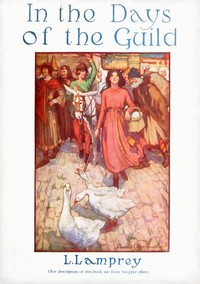
In the Days of the Guild
Written by Louise Lamprey
Chaptra reads alongside you — AI insights, chapter breakdowns and reader discussions for every book. Join free
About this book
Reading guide
Themes, characters and key ideas in In the Days of the Guild, written by Chaptra AI.
- about 8 hours
- intermediate
- historical
- aspirational
- educational
In the Days of the Guild by Louise Lamprey is an early 20th-century historical novel transporting readers to 12th-century England during King Henry II's reign, focusing on the intricate world of medieval craft guilds. The story primarily follows Robert Edrupt, a determined young boy from a rural background who leaves his home with a bale of wool, seeking fortune and opportunity in London. His journey begins with a shrewd negotiation to work as a horse-boy for wool merchants, vividly illustrating his courage and aspiration to forge a new life. As Robert travels towards the bustling city, the narrative immerses the reader in the historical landscape, social conditions, and the vibrant, structured world of trade and craftsmanship, setting the stage for his coming-of-age within the guild system.
“"Fortune favors the bold, and London calls to those with a will to carve their own path."”
Key themes
- Craftsmanship and Skill
- Central to the novel is the profound value and respect accorded to craftsmanship and skill in medieval society. The guild system itself is a testament to this, emphasizing the mastery of a trade through rigorous training, dedication, and quality output. The narrative likely details the intricacies of various crafts, showcasing the pride and artistry involved in creating goods, and how this skill was integral to both individual identity and the economic prosperity of the community.
- Social Mobility and Aspiration
- The novel powerfully explores the theme of social mobility, particularly for individuals from lower social strata in medieval society. Robert Edrupt's journey from a rural background to the bustling city of London, driven by ambition and resourcefulness, highlights the possibility of improving one's station through hard work, skill, and determination within the structured environment of the guilds. It contrasts the static nature of feudal rural life with the dynamic opportunities of urban trade.
- Community and Belonging
- The guild system is portrayed as a powerful framework for community and belonging, offering structure, support, and a sense of collective identity in an often harsh world. For an outsider like Robert, finding a place within a guild represents not just economic security but also social integration and the formation of new familial bonds. The theme explores the interdependence of individuals within a group and the responsibilities members held towards one another.
Worth discussing
How does Robert Edrupt exemplify the concept of social mobility in medieval England?
Chapter-by-chapter breakdowns, character arcs and the full thematic analysis come with a free account.
Discussions
No one has started one yet
Questions this book opens up
No discussions yet
Be the first to start a discussion about this book!
Sign up to start the discussionReviews
No reviews yet
Be the first to review this book!