
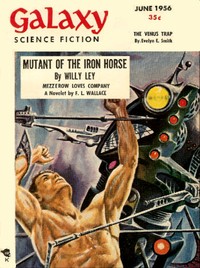
In the Cards
Written by Alan Cogan
Chaptra reads alongside you — AI insights, chapter breakdowns and reader discussions for every book. Join free
About this book
Reading guide
Themes, characters and key ideas in In the Cards, written by Chaptra AI.
- about 8 hours
- intermediate
- Thought-provoking
- Philosophical
- Dystopian
Alan Cogan's "In the Cards" is a mid-20th century science fiction novel that explores the profound implications of time travel through the Grundy Projector, a device allowing individuals to glimpse their future. The story centers on Gerald, who uses the projector to foresee a bleak, conflict-ridden future with his fiancée, Marge, leading him to question their impending marriage. As society grapples with the widespread use of this technology, Gerald observes how knowing the future often leads to self-fulfilling prophecies, eroding free will. Ultimately, Gerald and Marge attempt to escape their predetermined fate by fleeing to the past, only to find themselves subtly navigating the very challenges they sought to avoid. The narrative serves as a compelling philosophical inquiry into destiny, personal agency, and the hidden value of life's inherent uncertainties.
“To see the future is not to control it, but perhaps to become its prisoner.”
Key themes
- Free Will vs. Determinism
- This is the central philosophical question of the novel. The Grundy Projector explicitly forces characters and society to confront whether their actions are truly their own or if they are merely fulfilling a predetermined script. The book suggests that the knowledge of the future itself can become a deterministic force, paradoxically leading individuals to enact the very fate they foresaw, thereby blurring the lines between choice and inevitability.
- The Burden of Knowledge
- The novel explores the psychological weight and moral dilemmas associated with possessing foresight. While knowledge is often equated with power, "In the Cards" demonstrates how knowing one's future can be a crippling burden, leading to anxiety, despair, and a loss of spontaneity. It highlights the human tendency to try to control outcomes, and the unforeseen negative consequences of such control.
- The Value of Uncertainty
- Counterbalancing the burden of knowledge, this theme implicitly argues for the essential role of the unknown and uncertainty in human life. The narrative suggests that it is in the absence of absolute foresight that true choice, growth, and the richness of experience reside. Uncertainty allows for hope, surprise, and the genuine struggle that defines human existence and character development.
Worth discussing
How does 'In the Cards' challenge our understanding of free will versus destiny? Can true free will exist if the future is known?
Chapter-by-chapter breakdowns, character arcs and the full thematic analysis come with a free account.
Discussions
No one has started one yet
Questions this book opens up
No discussions yet
Be the first to start a discussion about this book!
Sign up to start the discussionReviews
No reviews yet
Be the first to review this book!