
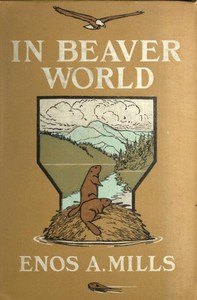
In Beaver World
Written by Enos A. Mills
Chaptra reads alongside you — AI insights, chapter breakdowns and reader discussions for every book. Join free
About this book
Reading guide
Themes, characters and key ideas in In Beaver World, written by Chaptra AI.
- about 8 hours
- intermediate
- Informative
- Reverent
- Observational
Enos A. Mills' "In Beaver World" is an seminal early 20th-century scientific publication offering a profound, comprehensive study of beaver ecology and behavior. Drawing from nearly three decades of dedicated fieldwork across North America, Mills meticulously documents the beaver's engineering prowess, social structures, and vital role in shaping aquatic ecosystems. The book blends rigorous scientific observation with personal anecdotes, fostering a tone of deep reverence for these industrious creatures. It not only illuminates the complex lives of beavers but also champions their significance for environmental conservation and the broader health of natural systems, positioning them as key players in nature's dynamic processes. Mills' work laid foundational understanding for appreciating beavers as both individual animals and indispensable ecosystem engineers.
“For twenty-seven years I have been watching beavers, and each year has deepened my admiration for their industry and ingenuity.”
Key themes
- The Ingenuity and Engineering of Nature
- This theme explores the extraordinary capabilities of beavers as natural engineers. Mills provides extensive evidence of their sophisticated dam-building, lodge construction, and canal digging, highlighting how these actions demonstrate an innate intelligence and complex problem-solving ability that rivals human engineering in its effectiveness and ecological integration.
- Ecosystem Health and Conservation
- Mills passionately argues for the vital role beavers play in maintaining and enhancing ecosystem health. He demonstrates how their dam-building creates wetlands, regulates water flow, prevents erosion, and supports a rich biodiversity of plants, insects, fish, and other wildlife. This theme serves as a powerful, early call for conservation and understanding the interconnectedness of species.
- The Value of Long-Term Observation and Fieldwork
- The book itself is a testament to the power and necessity of dedicated, long-term fieldwork. Mills' twenty-seven years of immersive observation underscore that a true understanding of animal behavior and ecological processes requires immense patience, persistence, and direct engagement with the natural world, going beyond superficial or short-term studies.
Worth discussing
How does Mills' long-term observational approach contribute to the book's scientific and literary value, especially compared to modern research methods?
Chapter-by-chapter breakdowns, character arcs and the full thematic analysis come with a free account.
Discussions
No one has started one yet
Questions this book opens up
No discussions yet
Be the first to start a discussion about this book!
Sign up to start the discussionReviews
No reviews yet
Be the first to review this book!