
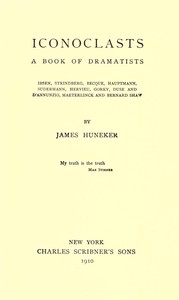
Iconoclasts: A Book of Dramatists: Ibsen, Strindberg, Becque, Hauptmann, Sudermann, Hervieu, Gorky, Duse and D'Annunzio, Maeterlinck and Bernard Shaw
Written by James Huneker
Chaptra reads alongside you — AI insights, chapter breakdowns and reader discussions for every book. Join free
About this book
Reading guide
Themes, characters and key ideas in Iconoclasts: A Book of Dramatists: Ibsen, Strindberg, Becque, Hauptmann, Sudermann, Hervieu, Gorky, Duse and D'Annunzio, Maeterlinck and Bernard Shaw, written by Chaptra AI.
- about 15 hours
- advanced
- analytical
- scholarly
- insightful
James Huneker's "Iconoclasts: A Book of Dramatists" offers an incisive collection of essays from the early 20th century, meticulously dissecting the groundbreaking works of pivotal figures in modern theater. Through detailed analyses of playwrights like Ibsen, Strindberg, and Shaw, Huneker champions their roles as iconoclasts who challenged conventional norms and reshaped dramatic art. The book explores the profound philosophical, psychological, and ethical dimensions embedded in their plays, emphasizing their unique contributions to character development, thematic depth, and theatrical innovation. Huneker positions these dramatists as essential forces whose transformative power illuminated complex human emotions and societal struggles, thus defining the trajectory of contemporary drama. It serves as both a historical record and a critical appreciation of the forces that propelled theater into the modern age.
“The true iconoclast does not merely destroy old idols; he clears the ground for new truths, however uncomfortable they may be.”
Key themes
- The Iconoclast in Modern Art
- This is the overarching theme of the book, exploring how the featured dramatists consciously broke from established theatrical conventions, moral norms, and societal expectations. Huneker examines their courage in challenging the status quo and their role in forging new artistic paths, often at great personal or professional cost. The theme highlights the necessity of artistic rebellion for progress.
- Psychological Realism and Naturalism
- Huneker delves into how these dramatists moved beyond superficial character portrayals to explore the complex inner lives, motivations, and psychological conflicts of their characters. This theme emphasizes the shift from external action to internal struggle, revealing the nuanced and often contradictory nature of human beings.
- Theater as Social and Philosophical Commentary
- This theme highlights the dramatists' use of the stage not merely for entertainment, but as a powerful platform for critiquing societal institutions, moral conventions, and philosophical ideas. Huneker shows how these plays ignited public debate and forced audiences to confront uncomfortable truths about their world.
Worth discussing
How does Huneker define an 'iconoclast' in the context of early 20th-century drama, and how well do the selected dramatists fit this definition?
Chapter-by-chapter breakdowns, character arcs and the full thematic analysis come with a free account.
Discussions
No one has started one yet
Questions this book opens up
No discussions yet
Be the first to start a discussion about this book!
Sign up to start the discussionReviews
No reviews yet
Be the first to review this book!