
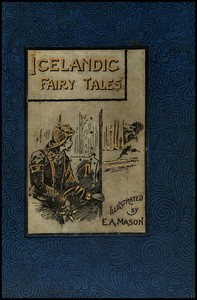
Icelandic Fairy Tales
Written by Angus W. Hall
Chaptra reads alongside you — AI insights, chapter breakdowns and reader discussions for every book. Join free
About this book
Reading guide
Themes, characters and key ideas in Icelandic Fairy Tales, written by Chaptra AI.
- about 8 hours
- intermediate
- enchanting
- whimsical
- moralistic
Mrs. Angus W. Hall's "Icelandic Fairy Tales" is a late 19th-century collection that translates and adapts traditional Norse legends for a juvenile audience. The anthology distinguishes itself by featuring strong, resourceful female protagonists—ranging from princesses to peasant maidens—who frequently demonstrate agency and even rescue their male counterparts, offering a unique subversion of classic fairy tale archetypes. Each story is infused with a clear moral lesson, celebrating the whimsical and imaginative spirit of Icelandic folklore while ensuring cultural preservation. The collection's preface outlines the author's intent to make these ancient tales accessible and engaging, setting the stage for narratives like "The Legend of the King's Three Sons," which introduces themes of valor, love, and sacrifice through a quest for valuable gifts.
“"For in the heart of the North, where ice meets fire, dwell tales of magic and valor, unlike any found in sunnier lands."”
Key themes
- Empowerment of Women
- This is a central and distinguishing theme, where female characters are consistently portrayed as intelligent, brave, and resourceful. They defy traditional gender roles by actively solving problems, embarking on quests, and often rescuing male characters, challenging the passive 'damsel in distress' trope prevalent in much of European folklore.
- Valor and Sacrifice
- Explored through quests and challenges, this theme highlights that true bravery often involves not just physical courage but also selflessness and the willingness to give up something precious for the greater good or for love. It contrasts superficial displays of heroism with genuine acts of sacrifice.
- Moral Lessons and Virtue
- Each tale is imbued with a clear moral compass, guiding young readers towards virtues like kindness, honesty, perseverance, and humility, while cautioning against vices such as greed, vanity, and deceit. The narratives serve as didactic tools, illustrating the consequences of actions and the rewards of virtuous living.
Worth discussing
How do the female characters in this collection subvert traditional fairy tale tropes? Provide specific examples from the stories.
Chapter-by-chapter breakdowns, character arcs and the full thematic analysis come with a free account.
Discussions
No one has started one yet
Questions this book opens up
No discussions yet
Be the first to start a discussion about this book!
Sign up to start the discussionReviews
No reviews yet
Be the first to review this book!