
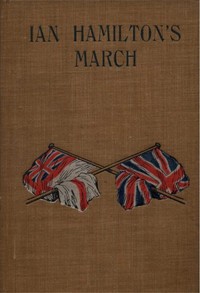
Ian Hamilton's March
Written by Winston Churchill
Chaptra reads alongside you — AI insights, chapter breakdowns and reader discussions for every book. Join free
About this book
Reading guide
Themes, characters and key ideas in Ian Hamilton's March, written by Chaptra AI.
- about 8 hours
- intermediate
- historical
- serious
- informative
Winston Churchill's "Ian Hamilton's March" is a compelling historical account, presented through a collection of letters, detailing the British military campaigns during the South African War. The narrative specifically chronicles Lieutenant-General Ian Hamilton's column as it embarks on a challenging advance from Bloemfontein to Pretoria. Churchill, serving as a war correspondent and later an officer, provides an invaluable eyewitness perspective on the logistical complexities, strategic decisions, and the harsh realities faced by soldiers on the battlefield. The book captures the atmosphere of the war, from the aftermath of the Siege of Ladysmith to the intricate maneuvers against Boer forces, offering a personal and detailed record of a pivotal moment in British imperial history.
“It is a strange thing to be in a great battle, and yet to be so utterly alone.”
Key themes
- War and its Realities
- The book vividly portrays the visceral realities of warfare, from the strategic planning and logistical challenges to the brutal experiences of combat. Churchill details the human cost, the physical demands, and the psychological impact of sustained conflict, offering an unvarnished look at battlefields, injuries, and death.
- Leadership and Strategy
- Churchill, observing from close quarters, offers detailed insights into the military leadership of Ian Hamilton and other commanders. He analyzes strategic decisions, tactical maneuvers, and the qualities required to lead troops effectively in challenging circumstances. This theme also explores the interplay between political objectives and military execution.
- Colonialism and Empire
- As a product of its time, the book implicitly and explicitly explores the context of British imperialism. It reflects the prevailing attitudes towards the Empire, the motivations behind the war, and the perceived duty of Britain to maintain its global influence. While not a critical examination of colonialism, it provides a window into the imperial mindset.
Worth discussing
How does Churchill's role as both a war correspondent and a participant influence his narrative and perspective?
Chapter-by-chapter breakdowns, character arcs and the full thematic analysis come with a free account.
Discussions
No one has started one yet
Questions this book opens up
No discussions yet
Be the first to start a discussion about this book!
Sign up to start the discussionReviews
No reviews yet
Be the first to review this book!