
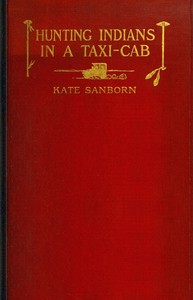
Hunting Indians in a Taxi-Cab
Written by Kate Sanborn
Chaptra reads alongside you — AI insights, chapter breakdowns and reader discussions for every book. Join free
About this book
Read it with a club
Small groups reading the same books and talking as they go.


News
- 4 members
- 1,813 discussions
- Active Sep 11
Read Hunting Indians in a Taxi-Cab alongside people who are reading it too.
Also here: News Bulletin, Just Joking....
Chaptra Prime — paid clubs, every club feature, and unlimited reading support, for $5 a month or $60 once.
See PrimeReading guide
Themes, characters and key ideas in Hunting Indians in a Taxi-Cab, written by Chaptra AI.
- about 6 hours
- intermediate
- whimsical
- nostalgic
- humorous
Kate Sanborn's "Hunting Indians in a Taxi-Cab" is a charming early 20th-century narrative chronicling the author's whimsical quest to collect antique wooden Indian figures, once ubiquitous as tobacco store signage. Through a series of delightful anecdotes and observations, Sanborn reflects on the fading presence of these iconic relics and the broader cultural symbols they represent. The book serves as a nostalgic exploration of American folk art, emphasizing the importance of preserving both the physical figures and the historical narratives embedded within them. It subtly critiques the cultural amnesia that led to the decline of these figures, advocating for the appreciation of their artistry and the stories they embody, highlighting a unique intersection of personal adventure and cultural commentary.
“The wooden Indian, once the proud sentinel of the tobacco shop, now makes his last stand in my humble collection.”
Key themes
- Nostalgia and Loss
- The book is deeply imbued with a sense of nostalgia for a bygone era when wooden Indian figures were common. Sanborn mourns the disappearance of these figures and the cultural landscape they represent, reflecting on the rapid changes brought by modernization. This theme explores the human tendency to romanticize the past and the pain of witnessing its erosion.
- Preservation and Memory
- Sanborn's quest is fundamentally an act of preservation—saving physical artifacts and the 'stories and memories' associated with them. This theme underscores the importance of actively safeguarding cultural heritage against 'cultural amnesia.' It argues that objects, even commercial ones, hold historical value and contribute to a collective memory that should not be forgotten.
- Cultural Representation and Stereotypes
- The book inherently deals with the representation of Native Americans through the lens of early 20th-century commercial art. While Sanborn appreciates the artistry, the figures themselves are products of a cultural context that often stereotyped Indigenous peoples. The theme explores how Native American imagery was utilized in popular culture and the complex legacy of such depictions, highlighting how a dominant culture interprets and sometimes appropriates the image of another.
Worth discussing
How does Sanborn's 'hunting' metaphor shape the reader's perception of her quest and the figures themselves?
Chapter-by-chapter breakdowns, character arcs and the full thematic analysis come with a free account.
Discussions
No one has started one yet
Questions this book opens up
No discussions yet
Be the first to start a discussion about this book!
Sign up to start the discussionReviews
No reviews yet
Be the first to review this book!