
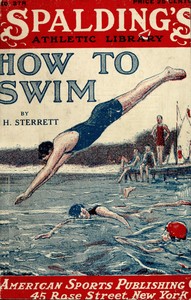
How to swim : $b A practical manual of swimming by a practical swimmer and a guide to the novice as well as the expert showing the easiest methods of learning to swim, dive and float, various kinds of strokes, with directions and illustrations for acquiring the crawl and trudge-crawl strokes. Also a chapter on modern life-saving, and one for women and girl swimmers.
Written by James H. Sterrett
Chaptra reads alongside you — AI insights, chapter breakdowns and reader discussions for every book. Join free
About this book
Reading guide
Themes, characters and key ideas in How to swim : $b A practical manual of swimming by a practical swimmer and a guide to the novice as well as the expert showing the easiest methods of learning to swim, dive and float, various kinds of strokes, with directions and illustrations for acquiring the crawl and trudge-crawl strokes. Also a chapter on modern life-saving, and one for women and girl swimmers., written by Chaptra AI.
- about 6 hours
- intermediate
- instructive
- practical
- empowering
James H. Sterrett's "How to Swim" is a comprehensive early 20th-century instructional manual designed for both beginners and experienced swimmers. It systematically covers fundamental aquatic skills, including floating, various strokes like the then-novel crawl and trudge-crawl, and diving techniques. Beyond basic instruction, the book incorporates essential life-saving methods and features a dedicated chapter addressing the specific needs and considerations for women and girl swimmers, reflecting the social context of its publication. As a practical guide, it aims to demystify swimming, making it accessible and safe for a wide audience through clear directions and accompanying illustrations. It serves as a historical snapshot of swimming pedagogy.
“The first requisite for learning to swim is to overcome fear of the water.”
Key themes
- Mastery of the Aquatic Environment
- This theme explores the human desire and necessity to overcome natural barriers, specifically water, through skill and knowledge. The book systematically guides the reader from a state of unfamiliarity and potential fear to one of confidence, control, and proficiency in swimming, diving, and floating. It emphasizes that mastery is achievable through systematic instruction and practice.
- Safety and Self-Reliance
- A central tenet of the manual is equipping individuals with the skills not only to enjoy swimming but also to ensure their own safety and potentially the safety of others. The focus on life-saving techniques underscores the societal value placed on individual preparedness and the ability to act competently in emergencies, fostering a sense of self-reliance.
- Social Progress and Inclusivity in Physical Activity
- The inclusion of a specific chapter 'for women and girl swimmers' is a significant indicator of the evolving social landscape regarding gender roles and access to physical education and recreation in the early 20th century. It acknowledges that women were increasingly participating in activities previously dominated by men and addresses their specific needs, thereby promoting greater inclusivity in sport.
Worth discussing
How have swimming techniques, particularly the crawl stroke, evolved since Sterrett's time?
Chapter-by-chapter breakdowns, character arcs and the full thematic analysis come with a free account.
Discussions
No one has started one yet
Questions this book opens up
No discussions yet
Be the first to start a discussion about this book!
Sign up to start the discussionReviews
No reviews yet
Be the first to review this book!