
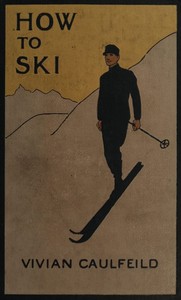
How To Ski and How Not To
Written by Vivian Caulfeild
Chaptra reads alongside you — AI insights, chapter breakdowns and reader discussions for every book. Join free
About this book
Reading guide
Themes, characters and key ideas in How To Ski and How Not To, written by Chaptra AI.
- about 8 hours
- intermediate
- instructive
- didactic
- historical
Vivian Caulfeild's "How To Ski and How Not To" is an early 20th-century instructional guide designed to equip beginners with the essential techniques for mastering skiing. The book meticulously outlines effective strategies while simultaneously identifying common pitfalls, emphasizing the importance of proper foundational skills to ensure efficiency and safety on the slopes. Beyond mere instruction, Caulfeild delves into the cultural nuances of skiing, drawing comparisons between English ski-runners and their continental counterparts, highlighting differing approaches and standards. The work begins by underscoring the practical superiority of skis over snowshoes for movement in snowy environments, setting a didactic tone for a comprehensive exploration of the sport's mechanics and the pursuit of excellence.
“The ski, properly wielded, is not merely an aid to travel, but a swift and graceful extension of human will over snow.”
Key themes
- Mastery and Skill Acquisition
- Central to the book's purpose, this theme explores the systematic process of learning and perfecting a physical skill. Caulfeild emphasizes that true mastery comes from diligent practice, understanding fundamental principles, and correcting errors, rather than simply attempting to mimic movements. It highlights the psychological discipline required to overcome challenges and achieve proficiency.
- Cultural Identity and National Character in Sport
- This theme examines how national identity and cultural background might influence approaches to and proficiency in a sport like skiing. Caulfeild explicitly compares English ski-runners to their continental counterparts, offering insights into perceived national strengths and weaknesses, and suggesting how cultural traits might manifest in athletic performance and learning styles. It reflects early 20th-century socio-cultural observations.
- The Importance of Foundation and Avoiding Pitfalls
- Caulfeild strongly advocates for establishing correct fundamental techniques from the outset to prevent the development of detrimental habits. This theme highlights that initial learning is critical; a strong foundation leads to easier progression, while early errors can hinder future development and even lead to dangerous situations. The book explicitly details 'how not to' ski to guide learners away from common mistakes.
Worth discussing
How do instructional guides from the early 20th century differ from modern ones in terms of pedagogical approach and language?
Chapter-by-chapter breakdowns, character arcs and the full thematic analysis come with a free account.
Discussions
No one has started one yet
Questions this book opens up
No discussions yet
Be the first to start a discussion about this book!
Sign up to start the discussionReviews
No reviews yet
Be the first to review this book!