
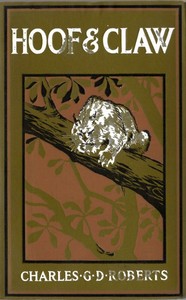
Hoof and Claw
Written by Charles G. D. Roberts
Chaptra reads alongside you — AI insights, chapter breakdowns and reader discussions for every book. Join free
About this book
Reading guide
Themes, characters and key ideas in Hoof and Claw, written by Chaptra AI.
- about 9 hours
- intermediate
- nature
- survival
- poignant
Sir Charles G. D. Roberts' "Hoof and Claw" is a compelling collection of early 20th-century animal stories, delving into the raw realities of wilderness life. Through vivid narratives, Roberts explores themes of survival, instinct versus nurture, and the intricate relationships within the natural world. The book famously opens with the tale of Woof, a bear cub orphaned and raised by a retriever, navigating a childhood of mistaken identity and burgeoning instinct. Each story, whether detailing a bear's unique upbringing or a bison's leadership, offers a poignant glimpse into the animal psyche and the harsh beauty of their existence, making it a seminal work in the genre of realistic animal fiction.
“"The wilderness yields its secrets only to those who watch with patience and understand with the heart."”
Key themes
- Survival and the Law of the Wild
- This theme is central to almost every story, portraying the relentless struggle for existence in the wilderness. It explores how animals must constantly hunt, evade predators, endure harsh environments, and compete for resources. Roberts presents survival as a brutal yet beautiful necessity, governed by instinct and natural selection, often devoid of human morality.
- Instinct vs. Nurture
- Most prominently explored through Woof's story, this theme examines the interplay between an animal's innate, genetic predispositions (instinct) and the environmental influences and learned behaviors from its upbringing (nurture). It questions what truly defines an individual's identity and whether learned behaviors can ever fully override primal instincts.
- Human-Animal Relationship
- This theme explores the multifaceted interactions between humans and wild animals, ranging from conflict and exploitation to empathy and coexistence. Humans are portrayed as both a threat to the wilderness (hunters, encroachers) and capable of profound connection and compassion (the woodsman adopting Woof).
Worth discussing
How does Roberts balance anthropomorphism with scientific realism in his portrayal of animals?
Chapter-by-chapter breakdowns, character arcs and the full thematic analysis come with a free account.
Discussions
No one has started one yet
Questions this book opens up
No discussions yet
Be the first to start a discussion about this book!
Sign up to start the discussionReviews
No reviews yet
Be the first to review this book!