
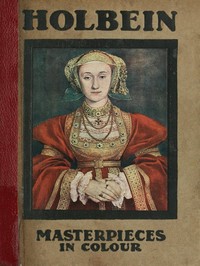
Holbein
Written by S. L. (Samuel Levy) Bensusan
Chaptra reads alongside you — AI insights, chapter breakdowns and reader discussions for every book. Join free
About this book
Reading guide
Themes, characters and key ideas in Holbein, written by Chaptra AI.
- about 8 hours
- intermediate
- Informative
- Historical
- Appreciative
S. L. Bensusan's "Holbein" offers an exhaustive early 20th-century biographical and art historical account of Hans Holbein the Younger, a pivotal artist of the English Renaissance. The book meticulously traces Holbein's journey from his German origins to his profound influence on Tudor England, emphasizing his unparalleled skill in portraiture. Bensusan highlights Holbein's distinctive realism, which allowed him to capture the true character and emotion of his subjects, distinguishing him from contemporaries who favored idealized depictions. Through a rich array of illustrations, the text showcases both his celebrated masterpieces and lesser-known works, providing a comprehensive understanding of his artistic legacy and his critical role in shaping the visual culture of a transformative historical era.
“Holbein's genius lay in his unflinching gaze, capturing not merely the likeness, but the very soul and temperament of his illustrious sitters.”
Key themes
- The Power of Portraiture
- The book extensively explores how Holbein's portraits were not merely artistic representations but powerful tools of communication, propaganda, and historical record. They shaped perceptions of individuals, influenced political decisions (e.g., Anne of Cleves), and immortalized the key figures of an era. Bensusan demonstrates how Holbein's ability to capture character made his portraits uniquely impactful.
- Artistic Realism vs. Idealism
- A core theme highlighted by Bensusan is Holbein's distinct commitment to realism, contrasting sharply with the idealized styles often favored by other Renaissance artists. The book argues that Holbein's strength lay in his ability to depict subjects with an honest, unvarnished truth, conveying their true character and even their flaws, rather than presenting an embellished or perfected image. This realism is presented as a mark of his artistic integrity and psychological insight.
- Patronage and the Artist's Life
- The biography intricately details the crucial role of patronage in sustaining an artist's career during the Renaissance. Holbein's journey is presented as a testament to the necessity of securing powerful benefactors, from the humanist Erasmus and Sir Thomas More to the ultimate royal patronage of King Henry VIII. The book illustrates how the demands and tastes of patrons directly influenced the artist's output, travel, and even his choice of subject matter.
Worth discussing
How does Bensusan's early 20th-century perspective influence his analysis of Holbein's art, particularly regarding realism vs. idealism?
Chapter-by-chapter breakdowns, character arcs and the full thematic analysis come with a free account.
Discussions
No one has started one yet
Questions this book opens up
No discussions yet
Be the first to start a discussion about this book!
Sign up to start the discussionReviews
No reviews yet
Be the first to review this book!