
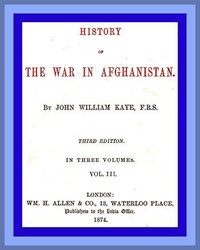
History of the War in Afghanistan, Vol. 3 (of 3): Third Edition
Written by John William Kaye
Chaptra reads alongside you — AI insights, chapter breakdowns and reader discussions for every book. Join free
About this book
Reading guide
Themes, characters and key ideas in History of the War in Afghanistan, Vol. 3 (of 3): Third Edition, written by Chaptra AI.
- about 12 hours
- advanced
- sobering
- tragic
- analytical
Sir John William Kaye's "History of the War in Afghanistan, Vol. 3" concludes his detailed account of the First Anglo-Afghan War, focusing on the dire period of 1841-1842. This volume chronicles the dramatic escalation of conflict, the catastrophic retreat from Kabul, and the subsequent British attempts to salvage their prestige and forces. It delves into the severe challenges faced by the British, including widespread rebellions, logistical breakdowns, and the complexities of Afghan political intrigue, painting a grim picture of imperial overreach and its devastating consequences. The narrative highlights the profound distress of figures like Lord Auckland amidst a rapidly deteriorating military and political situation, offering a sobering reflection on a pivotal moment in British imperial history.
“"The shadow of disaster, long gathering, now fell with crushing weight upon the forces assembled in Caubul."”
Key themes
- Imperial Overreach and Its Consequences
- The book meticulously details how the British Empire's ambition to control Afghanistan, driven by 'Great Game' anxieties and a flawed understanding of local dynamics, led to catastrophic failure. It explores the hubris of assuming military superiority and political manipulability in a complex tribal society, culminating in a devastating retreat and loss of prestige.
- The Human Cost of War and Military Failure
- Kaye does not shy away from depicting the brutal realities of war, particularly the suffering of soldiers and civilians during the retreat from Kabul. The narrative emphasizes the physical hardships, starvation, disease, and psychological toll on the British forces, highlighting the grim consequences of strategic errors on individual lives.
- Cultural Clash and Misunderstanding
- A core theme is the profound cultural and political misunderstanding between the British imperial power and the diverse Afghan tribal society. The British failed to grasp the complexities of Afghan loyalties, the strength of their independence, and the depth of their resistance to foreign imposition, leading directly to their downfall.
Worth discussing
To what extent was the First Anglo-Afghan War a predictable outcome of British imperial policy?
Chapter-by-chapter breakdowns, character arcs and the full thematic analysis come with a free account.
Discussions
No one has started one yet
Questions this book opens up
No discussions yet
Be the first to start a discussion about this book!
Sign up to start the discussionReviews
No reviews yet
Be the first to review this book!