
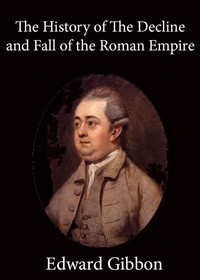
History of the Decline and Fall of the Roman Empire — Volume 3
Written by Edward Gibbon
Chaptra reads alongside you — AI insights, chapter breakdowns and reader discussions for every book. Join free
About this book
Reading guide
Themes, characters and key ideas in History of the Decline and Fall of the Roman Empire — Volume 3, written by Chaptra AI.
- about 20 hours
- advanced
- serious
- historical
- analytical
Volume 3 of Gibbon's monumental 'History of the Decline and Fall of the Roman Empire' meticulously chronicles a tumultuous period marked by intense civil wars and political upheaval following the death of Emperor Gratian. The narrative opens with Gratian's declining popularity and his eventual overthrow by the ambitious usurper Maximus, setting the stage for widespread conflict. Emperor Theodosius emerges as a central figure, compelled to navigate the complex political and religious landscape, asserting his authority while contending with both internal rebellion and the intricate theological debates of the era. Gibbon masterfully intertwines political intrigue, military campaigns, and the burgeoning influence of Christianity, illustrating the profound challenges that contributed to the Roman Empire's ongoing decline.
“The youth of Gratian was at first an advantage, but his subsequent actions demonstrated that the weight of an empire requires more than a mere title to uphold it.”
Key themes
- Political Instability and Civil War
- This theme explores the recurring fragility of Roman imperial power, demonstrating how internal divisions, military disloyalty, and the ambition of powerful individuals constantly threatened the empire's unity and stability. It highlights the devastating consequences of civil strife on the state's resources and its ability to withstand external threats.
- The Decline of Empire
- As the overarching theme of Gibbon's entire work, this volume contributes significantly to the narrative of Rome's decline. It illustrates how internal strife, the shifting balance of power between civil and military authorities, the economic strain of constant warfare, and the ideological fragmentation caused by religious disputes all contributed to the gradual erosion of the empire's strength and coherence.
- Religious Conflict and Orthodoxy
- Gibbon meticulously details the increasing influence of Christianity in imperial affairs and the intense theological disputes, particularly between Nicene and Arian factions. The theme examines how religious zeal became intertwined with political power, with emperors like Theodosius actively shaping doctrine and persecuting dissent, often leading to further social and political divisions.
Worth discussing
How does Gibbon's portrayal of Gratian contribute to his overarching thesis about the decline of the Roman Empire?
Chapter-by-chapter breakdowns, character arcs and the full thematic analysis come with a free account.
Discussions
No one has started one yet
Questions this book opens up
No discussions yet
Be the first to start a discussion about this book!
Sign up to start the discussionReviews
No reviews yet
Be the first to review this book!