
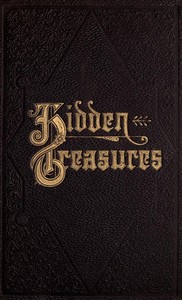
Hidden Treasures; Or, Why Some Succeed While Others Fail
Written by Harry A. Lewis
Chaptra reads alongside you — AI insights, chapter breakdowns and reader discussions for every book. Join free
About this book
Reading guide
Themes, characters and key ideas in Hidden Treasures; Or, Why Some Succeed While Others Fail, written by Chaptra AI.
- about 8 hours
- intermediate
- Uplifting
- Inspirational
- Didactic
Harry A. Lewis's "Hidden Treasures" is a late 19th-century motivational treatise advocating for self-reliance and hard work as the primary drivers of success. The book contrasts the paths of those who achieve great wealth and influence with those who fail, positing that character, determination, and good habits are far more crucial than luck. Through a series of biographical sketches of prominent figures like Daniel Drew and Russell Sage, Lewis illustrates how individuals from humble beginnings ascended to power. Ultimately, the work serves as an inspirational guide, aiming to equip readers with the mindset and principles necessary to emulate these successful individuals and carve their own path to prosperity.
“"The difference between success and failure is often not a matter of luck, but of unwavering determination and consistent effort."”
Key themes
- Self-Reliance and Individualism
- This is the cornerstone of Lewis's philosophy. The book vigorously champions the idea that individuals are solely responsible for their own success or failure, emphasizing the power of personal effort, determination, and the cultivation of good habits rather than external assistance or luck. It promotes a rugged individualism central to the American Dream narrative of the era.
- The Power of Hard Work and Diligence
- Lewis consistently argues that success is not a gift but a reward for relentless effort and sustained diligence. The book illustrates how consistent application, careful planning, and an unwillingness to succumb to idleness are fundamental traits shared by all successful individuals. It's presented as the primary mechanism for overcoming adversity and achieving one's goals.
- Character and Good Habits as Foundations for Success
- Beyond mere effort, Lewis emphasizes the cultivation of specific virtues and habits – prudence, foresight, tenacity, resourcefulness, and a strong moral compass (as defined by the era's business ethics) – as indispensable for not only achieving but also sustaining success. These are presented as internal 'treasures' that enable individuals to navigate challenges and make sound decisions.
Worth discussing
How does Lewis define 'success' and 'failure'? Are these definitions still relevant today, or have they evolved?
Chapter-by-chapter breakdowns, character arcs and the full thematic analysis come with a free account.
Discussions
No one has started one yet
Questions this book opens up
No discussions yet
Be the first to start a discussion about this book!
Sign up to start the discussionReviews
No reviews yet
Be the first to review this book!