
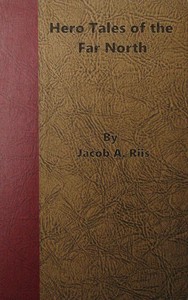
Hero Tales of the Far North
Written by Jacob A. (Jacob August) Riis
Chaptra reads alongside you — AI insights, chapter breakdowns and reader discussions for every book. Join free
About this book
Reading guide
Themes, characters and key ideas in Hero Tales of the Far North, written by Chaptra AI.
- about 8 hours
- intermediate
- inspiring
- historical
- reflective
Jacob A. Riis's "Hero Tales of the Far North" is an early 20th-century historical account that delves into the lives and legendary feats of prominent figures from Norse history. Riis frames these narratives within the context of immigration, emphasizing the importance for newcomers to America to remember and cherish their ancestral heritage. The book showcases the spirit of heroism, bravery, and perseverance that defined Northern peoples, aiming to foster cultural understanding and pride. Through tales of figures like the naval hero Peder Tordenskjold and the missionary Hans Egede, Riis illustrates the rich and often tumultuous cultural history of Scandinavia. Ultimately, it serves as a testament to the enduring power of historical legacies in shaping individual and collective identity.
“"To forget one's heritage is to lose a part of oneself, a vital link to the spirit that shaped generations."”
Key themes
- Heroism and Bravery
- This is the central theme, explored through the various 'hero tales.' Riis defines heroism not just by physical courage in battle, but also by moral fortitude, perseverance in the face of adversity, and dedication to a cause greater than oneself. The book presents these heroes as epitomes of Northern virtues.
- Cultural Identity and Heritage
- Riis explicitly introduces the book with the purpose of helping immigrants maintain a connection to their heritage. The tales serve as a repository of cultural memory, illustrating the values, struggles, and achievements that define Northern peoples and provide a sense of belonging and pride.
- The Immigrant Experience and Assimilation
- Though the tales are historical, Riis frames the entire collection through the lens of early 20th-century immigration to America. He addresses the challenge of assimilation versus cultural preservation, arguing that remembering one's heritage enriches rather than detracts from becoming American.
Worth discussing
How does Riis's personal background as an immigrant influence his portrayal of Northern heroes and their significance?
Chapter-by-chapter breakdowns, character arcs and the full thematic analysis come with a free account.
Discussions
No one has started one yet
Questions this book opens up
No discussions yet
Be the first to start a discussion about this book!
Sign up to start the discussionReviews
No reviews yet
Be the first to review this book!