
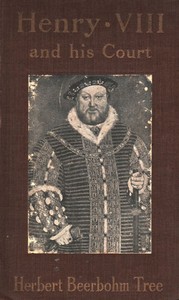
Henry VIII and His Court: 6th edition
Written by Herbert Beerbohm Tree
Chaptra reads alongside you — AI insights, chapter breakdowns and reader discussions for every book. Join free
About this book
Reading guide
Themes, characters and key ideas in Henry VIII and His Court: 6th edition, written by Chaptra AI.
- about 9 hours
- intermediate
- historical
- dramatic
- insightful
Sir Herbert Beerbohm Tree's "Henry VIII and His Court" offers an early 20th-century historical examination of King Henry VIII's tumultuous reign, focusing particularly on the personalities and political dynamics within his court. The book delves into the lives of key figures like Cardinal Wolsey, Katharine of Aragon, and Anne Boleyn, illustrating their profound influence on the era's machinations. Tree meticulously portrays Henry VIII as a complex monarch, highlighting his charisma, vulnerabilities, and the contradictions that drove his controversial decisions, notably his multiple marriages and the subsequent schism with the Catholic Church. By blending character sketches with historical context, the narrative aims to enrich understanding of the dramatic events that shaped the English Reformation, often through the lens of Shakespeare's dramatic interpretation. It serves as an insightful exploration of ambition, love, and betrayal that defined Tudor England.
“The King's will, once set, was a force that reshaped kingdoms and consciences alike, leaving an indelible mark upon the very soul of England.”
Key themes
- Power and Authority
- The book deeply explores the nature of monarchical power, how it is exercised, challenged, and its far-reaching consequences. It examines Henry VIII's assertion of absolute authority over both state and church, and the struggle for influence among his courtiers.
- Ambition and Betrayal
- This theme pervades the narrative, showcasing how personal ambition drives many key figures—from Henry's desire for a male heir to Wolsey's hunger for influence and Anne Boleyn's ascent to queen. It also highlights the frequent betrayals and shifting loyalties inherent in a courtly environment.
- Religion and Conscience
- The book meticulously details the profound religious shifts of the period, particularly the English Reformation, framing it not just as a theological debate but as a direct consequence of Henry VIII's personal desires and the political climate. It also examines the struggle of individual conscience against state demands.
Worth discussing
How does Tree's background in theatre influence his portrayal of historical figures and events in the book?
Chapter-by-chapter breakdowns, character arcs and the full thematic analysis come with a free account.
Discussions
No one has started one yet
Questions this book opens up
No discussions yet
Be the first to start a discussion about this book!
Sign up to start the discussionReviews
No reviews yet
Be the first to review this book!