
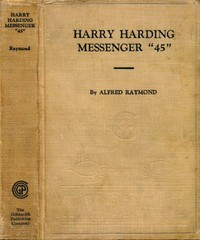
Harry Harding—Messenger "45"
Written by Alfred Raymond
Chaptra reads alongside you — AI insights, chapter breakdowns and reader discussions for every book. Join free
About this book
Reading guide
Themes, characters and key ideas in Harry Harding—Messenger "45", written by Chaptra AI.
- about 8 hours
- intermediate
- earnest
- hopeful
- challenging
Alfred Raymond's "Harry Harding—Messenger '45" is an early 20th-century novel chronicling the pivotal transition of two young boys, Harry Harding and Teddy Burke, from the classroom to the workforce amidst economic hardship. The narrative opens with Teddy's mischievous school antics contrasting sharply with Harry's earnest desire to secure employment to support his widowed mother. This initial setup lays the groundwork for their quest for jobs at Martin Brothers' Department Store, highlighting their differing motivations and personalities. The story then follows their adventures and challenges as they navigate their first steps into adulthood, exploring themes of friendship, responsibility, and the inherent struggles of youth entering the working world. Ultimately, the novel serves as a coming-of-age tale, celebrating hard work, integrity, and the enduring bond between friends.
“"A man's duty isn't always easy, son, but it's always clear. You do what's right for your family."”
Key themes
- Responsibility and Duty
- This theme is central to Harry Harding's character and his primary motivation for seeking work. It explores the idea of personal accountability, particularly in the context of family obligations and societal expectations. For Teddy, it's a learned lesson, moving from youthful irresponsibility to an understanding of the importance of duty and hard work.
- Friendship and Loyalty
- The enduring bond between Harry Harding and Teddy Burke forms the emotional core of the novel. Despite their contrasting personalities and initial approaches to life, their friendship provides mutual support, guidance, and a source of strength as they navigate the challenges of entering the workforce. It explores how true friendship can withstand differences and help individuals grow.
- Coming-of-Age and Transition to Adulthood
- The novel vividly portrays the significant life stage where young individuals leave the protected environment of school and enter the adult world of work and financial independence. It explores the challenges, lessons, and personal growth that accompany this transition, marking the journey from boyhood to young manhood.
Worth discussing
How does the novel portray the transition from childhood to adulthood in the early 20th century, and how does this compare to today?
Chapter-by-chapter breakdowns, character arcs and the full thematic analysis come with a free account.
Discussions
No one has started one yet
Questions this book opens up
No discussions yet
Be the first to start a discussion about this book!
Sign up to start the discussionReviews
No reviews yet
Be the first to review this book!