
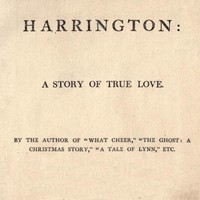
Harrington: A Story of True Love
Written by William Douglas O'Connor
Chaptra reads alongside you — AI insights, chapter breakdowns and reader discussions for every book. Join free
About this book
Reading guide
Themes, characters and key ideas in Harrington: A Story of True Love, written by Chaptra AI.
- about 8 hours
- intermediate
- Dark
- Oppressive
- Tragic
William Douglas O'Connor's "Harrington: A Story of True Love" is a mid-19th-century novel set against the brutal backdrop of a Louisiana plantation during the escalating tensions surrounding slavery. The narrative delves into the complex and often cruel dynamics between Mr. Torwood Lafitte and his wife, Josephine, whose marriage is marked by abuse and despair. Juxtaposing their domestic turbulence with the profound suffering of enslaved individuals, the story explores themes of love, injustice, and the desperate quest for freedom. The oppressive heat of the Southern landscape mirrors the emotional and physical anguish experienced by characters like Josephine and the enslaved man, Antony, whose lives begin to intricately intertwine. Ultimately, the novel appears to be a powerful indictment of slavery and a poignant exploration of human resilience in the face of profound cruelty.
“"The sweltering day seemed to press down not only on the land, but on the very souls of those who toiled and suffered beneath it." (Illustrative, capturing the atmosphere)”
Key themes
- Slavery and Injustice
- The core theme of the novel, exploring the brutal realities, moral bankruptcy, and systemic cruelty of slavery on a Southern plantation. It highlights the dehumanizing impact on enslaved individuals and the corruption it fosters in slaveholders.
- Love and Cruelty
- This theme explores the stark contrast between the ideal of 'true love' (suggested by the title) and the pervasive cruelty depicted in various forms—marital abuse, emotional torment, and the systemic violence of slavery. It questions how love can exist or be defined in such an environment.
- Freedom and Oppression
- The novel deeply explores the human yearning for freedom, both personal and collective, in the face of overwhelming oppression. This includes Josephine's desire for liberation from her abusive marriage and the enslaved individuals' desperate quest for physical and existential liberty.
Worth discussing
How does O'Connor use the physical setting (the 'sweltering day' and Louisiana plantation) to reflect the emotional and moral climate of the story?
Chapter-by-chapter breakdowns, character arcs and the full thematic analysis come with a free account.
Discussions
No one has started one yet
Questions this book opens up
No discussions yet
Be the first to start a discussion about this book!
Sign up to start the discussionReviews
No reviews yet
Be the first to review this book!