
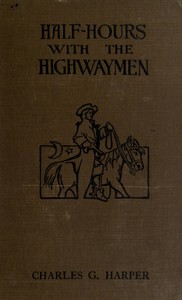
Half-hours with the Highwaymen - Vol 1: Picturesque Biographies and Traditions of the "Knights of the Road"
Written by Charles G. (Charles George) Harper
Chaptra reads alongside you — AI insights, chapter breakdowns and reader discussions for every book. Join free
About this book
Reading guide
Themes, characters and key ideas in Half-hours with the Highwaymen - Vol 1: Picturesque Biographies and Traditions of the "Knights of the Road", written by Chaptra AI.
- about 8 hours
- intermediate
- historical
- informative
- grim
Charles G. Harper's "Half-Hours with the Highwaymen - Vol 1" offers an early 20th-century historical exploration into the lives and legends of English highwaymen. The book meticulously dissects the romanticized image of these 'Knights of the Road,' contrasting it with the grimmer realities of their existence, crimes, and eventual decline. Harper aims to provide a factual account by sifting through historical records and popular myths, establishing a comprehensive overview of their societal role and evolution. Volume 1 sets the foundation by examining the origins of highwayman lore, the interplay of fact and fiction in their biographies, and the societal perceptions that shaped their enduring legacy. It promises a thorough, engaging, and often sobering look at these figures from medieval predecessors to their more notorious later incarnations.
“"The highwayman, in popular imagination, rides ever in a cloud of romantic glamour, a figure of daring and wit, yet the truth is often a grimmer, more sordid tale."”
Key themes
- Romanticization vs. Reality
- This is the central theme of the book. Harper consistently challenges the popular, romanticized image of the highwayman as a noble outlaw (like Robin Hood) or a dashing gentleman, contrasting it with the often brutal, desperate, and cowardly reality of these criminals. He explores how folklore, ballads, and sensationalized biographies contributed to this myth-making, and why society might have found such figures appealing despite their crimes.
- Crime and Punishment
- The book delves into the nature of crime, specifically highway robbery, and the evolving systems of justice and punishment in England. It examines the motivations behind such crimes (poverty, greed, desperation) and the severe consequences, including public executions. Harper implicitly critiques the effectiveness and fairness of the legal system of the time.
- Social Class and Inequality
- Harper's narrative implicitly highlights the stark class divisions in historical England. Highwaymen often emerged from the lower strata of society, preying upon the wealthier travelers. The book examines how economic disparity could drive individuals to crime and how the perception of highwaymen sometimes reflected class tensions, with some sympathy for those who defied the rich.
Worth discussing
How does Harper challenge the romanticized image of the highwayman, and to what extent do you think he succeeds?
Chapter-by-chapter breakdowns, character arcs and the full thematic analysis come with a free account.
Discussions
No one has started one yet
Questions this book opens up
No discussions yet
Be the first to start a discussion about this book!
Sign up to start the discussionReviews
No reviews yet
Be the first to review this book!