
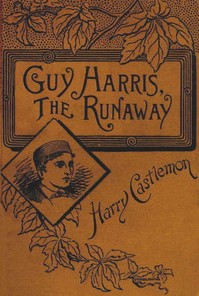
Guy Harris, the Runaway
Written by Harry Castlemon
Chaptra reads alongside you — AI insights, chapter breakdowns and reader discussions for every book. Join free
About this book
Reading guide
Themes, characters and key ideas in Guy Harris, the Runaway, written by Chaptra AI.
- about 8 hours
- intermediate
- adventurous
- rebellious
- yearning
Harry Castlemon's "Guy Harris, the Runaway" introduces a spirited young protagonist, Guy Harris, who chafes under the restrictive atmosphere of his home life, particularly under his father and stepmother. Driven by a profound desire for autonomy and the romantic allure of a hunter's life in the prairies, Guy begins to meticulously plan his escape. The narrative's opening highlights his rebellious nature through a conflict with peers and a moment of unexpected camaraderie, underscoring his deep-seated longing for freedom. As Guy secretly accumulates resources for his journey, the novel sets the stage for a classic tale of youthful rebellion, the pursuit of adventure, and the challenges inherent in breaking free from a stifling environment.
“"The prairie called to him with a voice louder than any command from his father."”
Key themes
- Freedom vs. Restriction
- This is the central conflict of the novel, exploring Guy's intense longing for personal liberty against the perceived confines of his home and parental authority. His dream of the prairies symbolizes ultimate freedom, unburdened by rules or expectations.
- Coming-of-Age and Self-Reliance
- Guy's journey is inherently a quest for self-discovery and maturation. His decision to run away forces him to confront the challenges of independence, demanding courage, resourcefulness, and the development of a strong sense of self-reliance.
- The Allure of the Wilderness and Frontier Myth
- The novel taps into the powerful American frontier myth, portraying the wilderness not merely as a physical place but as a symbol of opportunity, adventure, and a return to a more 'authentic' way of life, contrasting with the perceived artificiality of settled society.
Worth discussing
How does Guy's desire for adventure reflect the values and myths prevalent in 19th-century America?
Chapter-by-chapter breakdowns, character arcs and the full thematic analysis come with a free account.
Discussions
No one has started one yet
Questions this book opens up
No discussions yet
Be the first to start a discussion about this book!
Sign up to start the discussionReviews
No reviews yet
Be the first to review this book!