
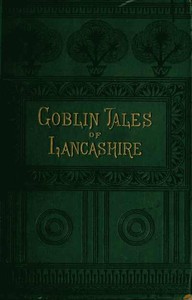
Goblin Tales of Lancashire
Written by James Bowker
Chaptra reads alongside you — AI insights, chapter breakdowns and reader discussions for every book. Join free
About this book
Reading guide
Themes, characters and key ideas in Goblin Tales of Lancashire, written by Chaptra AI.
- about 8 hours
- intermediate
- eerie
- mysterious
- supernatural
James Bowker's "Goblin Tales of Lancashire" is a captivating late 19th-century collection that meticulously preserves the rich tapestry of regional folklore from Lancashire, England. The book delves into a world where the veil between the mundane and the supernatural is thin, populated by fairies, goblins, and other enigmatic entities characteristic of the eerie countryside. Through its various narratives, it explores deep-seated human fears, the power of ancient myths, and the unique cultural identity shaped by generations of storytelling. The introduction sets a scholarly tone, grounding the tales in their Celtic and Scandinavian mythological roots, while the opening story, "The Skriker," immediately plunges the reader into a chilling encounter with the forces of dread and the unknown.
“The wild, windswept moors of Lancashire held secrets whispered only in the darkest hours, a legacy of Celtic dread and Scandinavian myth.”
Key themes
- The Supernatural and Folklore
- This is the foundational theme, exploring the pervasive belief in fairies, goblins, ghosts, and other enigmatic creatures in the Lancashire countryside. The tales illustrate how these beliefs shaped daily life, fears, and social customs, reflecting a world where the magical was intimately intertwined with the mundane. It highlights the collection's role in preserving these cultural narratives.
- Fear and the Unknown
- Many tales center on the psychological impact of encountering or even just sensing the unknown. Bowker masterfully cultivates an atmosphere of dread and suspense, exploring how fear manifests when characters confront entities beyond their comprehension. This theme delves into primal human anxieties about death, madness, and forces that defy rational explanation.
- Regional Identity and Landscape
- The book is deeply rooted in the specific geography and cultural identity of Lancashire. The landscape—its moors, valleys, villages, and ancient sites—is not merely a backdrop but an active participant, influencing the types of stories told and the characters' experiences. The tales reflect a unique regional consciousness shaped by its history, geology, and generations of inhabitants.
Worth discussing
How does Bowker's introduction frame the subsequent tales, and what is the significance of rooting them in Celtic and Scandinavian mythology?
Chapter-by-chapter breakdowns, character arcs and the full thematic analysis come with a free account.
Discussions
No one has started one yet
Questions this book opens up
No discussions yet
Be the first to start a discussion about this book!
Sign up to start the discussionReviews
No reviews yet
Be the first to review this book!