
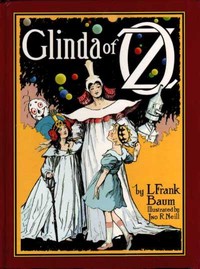
Glinda of Oz: In Which Are Related the Exciting Experiences of Princess Ozma of Oz, and Dorothy, in Their Hazardous Journey to the Home of the Flatheads, and to the Magic Isle of the Skeezers, and How They Were Rescued from Dire Peril by the Sorcery of Glinda the Good
Written by L. Frank (Lyman Frank) Baum
Chaptra reads alongside you — AI insights, chapter breakdowns and reader discussions for every book. Join free
About this book
Reading guide
Themes, characters and key ideas in Glinda of Oz: In Which Are Related the Exciting Experiences of Princess Ozma of Oz, and Dorothy, in Their Hazardous Journey to the Home of the Flatheads, and to the Magic Isle of the Skeezers, and How They Were Rescued from Dire Peril by the Sorcery of Glinda the Good, written by Chaptra AI.
- about 8 hours
- intermediate
- uplifting
- adventurous
- magical
In L. Frank Baum's "Glinda of Oz," Princess Ozma of Oz and Dorothy embark on a perilous journey to avert war between the reclusive Skeezers and the desperate Flatheads. Guided by their sense of duty and supported by loyal companions, they navigate magical lands and confront powerful sorcery. The narrative explores themes of peace, leadership, and the responsible use of power, culminating in the wise intervention of Glinda the Good. This final Oz book by Baum offers a grand adventure, solidifying the values of friendship and justice central to the beloved series.
“"It is my duty, as Ruler of Oz, to see that peace prevails throughout my dominions, no matter how remote the territory may be."”
Key themes
- Duty and Responsibility of Leadership
- This theme is central to Ozma's character and the entire plot. As the ruler of Oz, Ozma feels a profound personal responsibility to ensure peace and justice for all inhabitants, even those in remote or unknown regions. Her decision to confront Queen Coo-ee-oh, despite the danger, stems directly from this sense of duty.
- Peace vs. Conflict and Tyranny
- The entire narrative revolves around the brewing war between the Skeezers and Flatheads, instigated by Queen Coo-ee-oh's tyrannical rule and ambition. The story explicitly contrasts Ozma's pursuit of peace and benevolent governance with Coo-ee-oh's desire for conquest and enslavement, highlighting the destructive nature of unchecked power and the value of harmony.
- The Nature and Ethics of Magic
- Magic is pervasive in Oz, but this book distinguishes between its benevolent and malevolent uses. Queen Coo-ee-oh wields powerful magic for selfish, destructive, and tyrannical purposes (enslavement, war, transformation), while Glinda the Good uses her superior magic for protection, restoration, and establishing justice. The story questions who should wield power and for what ends.
Worth discussing
How does Ozma's leadership style differ from Queen Coo-ee-oh's, and what does this say about effective governance?
Chapter-by-chapter breakdowns, character arcs and the full thematic analysis come with a free account.
Discussions
No one has started one yet
Questions this book opens up
No discussions yet
Be the first to start a discussion about this book!
Sign up to start the discussionReviews
No reviews yet
Be the first to review this book!