
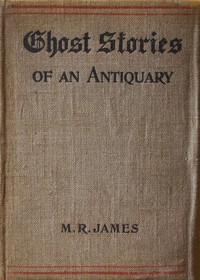
Ghost Stories of an Antiquary
Written by M. R. (Montague Rhodes) James
Chaptra reads alongside you — AI insights, chapter breakdowns and reader discussions for every book. Join free
About this book
Reading guide
Themes, characters and key ideas in Ghost Stories of an Antiquary, written by Chaptra AI.
- about 8 hours
- intermediate
- eerie
- mysterious
- unsettling
M. R. James's "Ghost Stories of an Antiquary" is a seminal collection of supernatural tales that masterfully blend scholarly pursuits with chilling encounters. Set in academic and historical locales, the stories typically feature erudite, often solitary, protagonists who inadvertently unearth malevolent entities or cursed objects through their antiquarian curiosity. The narratives unfold with a slow, creeping dread, relying on suggestion and atmosphere rather than explicit gore, culminating in unsettling revelations of ancient evils. This collection established James as a master of the 'antiquarian ghost story,' influencing generations of horror writers with its distinctive blend of erudition and subtle terror.
“"Pray that you may never have such a dream, or I am much mistaken if you will not be a worse man for it."”
Key themes
- Unwelcome Curiosity and Forbidden Knowledge
- This is perhaps the most central theme in James's work. His protagonists, driven by academic zeal, invariably delve into histories or objects best left undisturbed. Their intellectual curiosity becomes a dangerous hubris, unleashing forces beyond their comprehension. The stories serve as cautionary tales against seeking out knowledge that is too ancient, too dark, or too sacred for human interference.
- The Malevolence of the Past/Ancient Evils
- James often posits that evil is not merely a human construct but an inherent, ancient force that can linger in objects, places, and historical records. These evils are often pre-Christian or pagan in origin, representing a primal, amoral force that predates human morality. The past is not merely history but an active, dangerous entity that can reach into the present.
- The Fragility of Rationality and Order
- James's protagonists are typically rational, educated men whose ordered, scientific worldview is systematically dismantled by encounters with the unequivocally supernatural. The stories highlight how easily human reason and skepticism crumble when confronted with phenomena that defy all logical explanation, leaving the characters, and the reader, in a state of profound psychological disarray.
Worth discussing
How does M. R. James use academic and historical settings to enhance the sense of dread and realism in his stories?
Chapter-by-chapter breakdowns, character arcs and the full thematic analysis come with a free account.
Discussions
No one has started one yet
Questions this book opens up
No discussions yet
Be the first to start a discussion about this book!
Sign up to start the discussionReviews
No reviews yet
Be the first to review this book!